🌿 Gut & Digestion
genetics
cravings
October 1, 2025
Share
How sugar hooks your brain
Every time you eat something sweet, your brain’s reward circuitry — the same network involved in pleasure, motivation, and habit-forming — lights up.
Dopamine hit: Sugar triggers a rush of dopamine in the nucleus accumbens, giving you that “ahhh” feeling.
Endorphin boost: You also get a release of feel-good endorphins, reinforcing the urge to do it again.
Over time, repeated high-sugar intake can make your brain adapt. You may need more sugar to get the same buzz (tolerance), and cutting back can trigger cravings or withdrawal-like symptoms.
Your sweet tooth could be written in your genes
Some of us are literally wired to love sugar more:
TAS1R2 & TAS1R3: Taste-receptor genes that detect sweetness. Certain variants make sweet foods taste more intense — or more rewarding — for you.
DRD2 A1 allele: A dopamine receptor variant that can make your brain’s reward system more sensitive, increasing the drive for sugar.
GLUT2: A glucose transporter gene in your gut, pancreas, and taste cells. Some variants are linked to a stronger sweet preference and higher sugar intake.
With these genetic traits, sugar doesn’t just taste good — it feels more rewarding, which can make moderation harder.
The hormone connection
Your appetite is partly regulated by two key hormones:
Leptin signals satiety, telling your brain you’ve had enough and helping regulate long-term energy balance.
Ghrelin signals hunger to your brain, typically rising before meals to encourage eating.
High-sugar diets can disrupt these signals, muting your “I’m full” messages and keeping hunger switched on for longer.
The sugar high–crash cycle
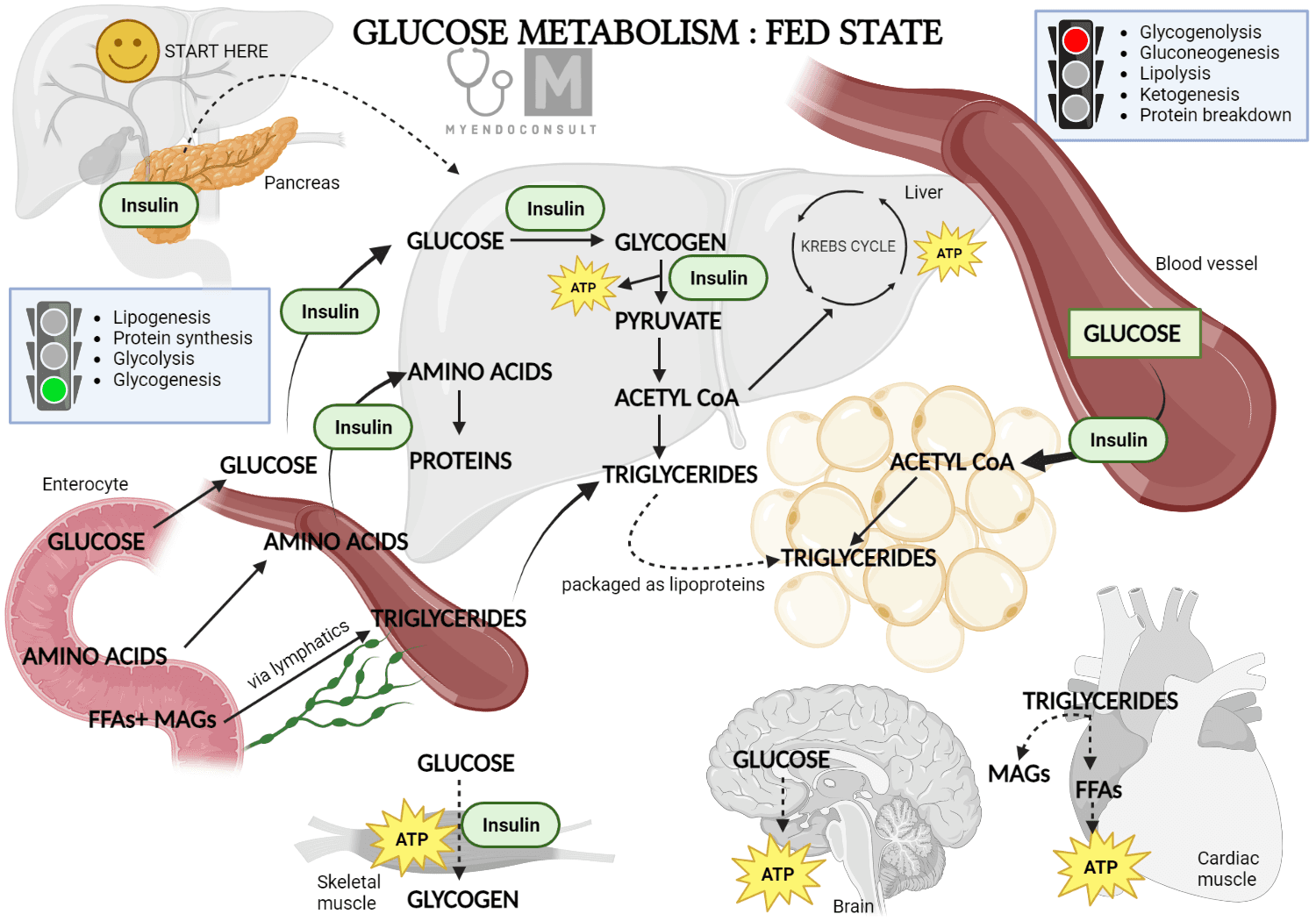
Sugar spikes your blood glucose, giving quick energy, but is often followed by a crash that leaves you tired, irritable, and craving another hit.
In some people, these crashes are more extreme (reactive hypoglycaemia), making sugar cravings even stronger.
Your gut might be calling the shots
Some gut bacteria can influence sugar desire by producing chemicals that interact with your brain’s appetite centres. Diets high in sugar may shift the microbiome toward species that encourage more sugar-seeking.
Stress and emotions fan the flames
Stress raises cortisol levels, which can make high-energy, high-sugar foods more appealing. Add in emotional lows, lack of sleep, or a hectic lifestyle, and sugary comfort foods can become an easy go-to.
Is sugar as addictive as drugs?
Not quite. While sugar can cause addiction-like changes in the brain, it doesn’t usually carry the same physical risks as drugs. Still, the brain overlap is real — and for some people, cutting back can feel just as challenging.
How to take back control
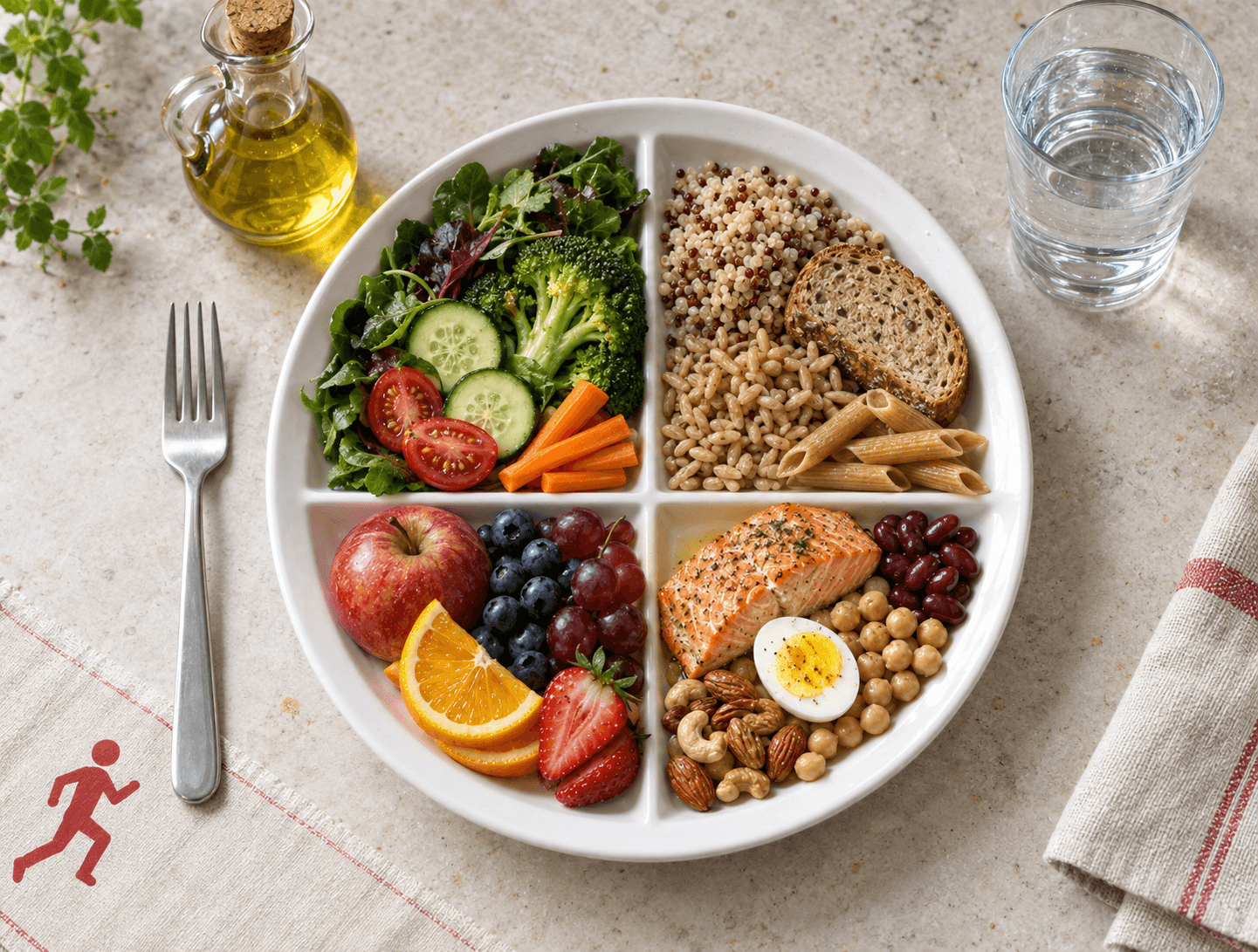
Eat balanced meals with protein, fibre, and healthy fats to keep blood sugar steady.
Manage stress with movement, mindfulness, or hobbies.
Prioritise sleep — a tired brain craves more sugar.
If cravings feel overwhelming, seek personalised advice from a nutritionist or therapist.
For more precise, personalised advice Choose a Consultation.
We can explore your diet, lifestyle, hormone balance, gut health, and even your “sweet genes” to create a targeted plan for reducing cravings.
Sugar & Metabolic Health Diagnostic Click here to find out more
Reference List:
Ahmad, S.Y., Friel, J.K. and Mackay, D.S. (2020) ‘Effect of sucralose and aspartame on glucose metabolism and gut hormones’, Nutrition Reviews, 78(9), pp. 725–746. Available at: https://doi.org/10.1093/nutrit/nuz099.
Bueno-Hernández, N. et al. (2020) ‘Chronic sucralose consumption induces elevation of serum insulin in young healthy adults: a randomized, double blind, controlled trial’, Nutrition Journal, 19(1), p. 32. Available at: https://doi.org/10.1186/s12937-020-00549-5.
Iizuka, K. (2022) ‘Is the Use of Artificial Sweeteners Beneficial for Patients with Diabetes Mellitus? The Advantages and Disadvantages of Artificial Sweeteners’, Nutrients, 14(21), p. 4446. Available at: https://doi.org/10.3390/nu14214446.
Nakagawa, Y. et al. (2009) ‘Sweet Taste Receptor Expressed in Pancreatic β-Cells Activates the Calcium and Cyclic AMP Signaling Systems and Stimulates Insulin Secretion’, PLOS ONE, 4(4), p. e5106. Available at: https://doi.org/10.1371/journal.pone.0005106.
Qin, D. et al. (2025) ‘About Sugar Addiction’, Brain and Behavior, 15(7), p. e70338. Available at: https://doi.org/10.1002/brb3.70338.
Ruiz-Ojeda, F.J. et al. (2019) ‘Effects of Sweeteners on the Gut Microbiota: A Review of Experimental Studies and Clinical Trials’, Advances in Nutrition, 10(Suppl 1), pp. S31–S48. Available at: https://doi.org/10.1093/advances/nmy037.
Sweet Preference, Sugar Addiction and the Familial History of Alcohol Dependence: Shared Neural Pathways and Genes (no date), Journal of Psychoactive Drugs, 42(2). Available at: https://www.tandfonline.com/doi/abs/10.1080/02791072.2010.10400687.
Westwater, M.L., Fletcher, P.C. and Ziauddeen, H. (2016) ‘Sugar addiction: the state of the science’, European Journal of Nutrition, 55(S2), pp. 55–69. Available at: https://doi.org/10.1007/s00394-016-1229-6.
Wilcox, C.E. and Eck, M.J. (2021) ‘Neurobiology and Cognitive Neuroscience of Substance Use Disorders’, in C.E. Wilcox (ed.) Food Addiction, Obesity, and Disorders of Overeating: An Evidence-Based Assessment and Clinical Guide. Cham: Springer International Publishing, pp. 99–108. Available at: https://doi.org/10.1007/978-3-030-83078-6_7.
Wittekind, D.A. et al. (2023) ‘Leptin, but not ghrelin, is associated with food addiction scores in a population-based subject sample’, Frontiers in Psychiatry, 14, p. 1200021. Available at: https://doi.org/10.3389/fpsyt.2023.1200021.
Yanagisawa, Y. (2023) ‘How dietary amino acids and high protein diets influence insulin secretion’, Physiological Reports, 11(2), p. e15577. Available at: https://doi.org/10.14814/phy2.15577.
Yu, Z. et al. (2020) ‘Effects of high-protein diet on glycemic control, insulin resistance and blood pressure in type 2 diabetes: A systematic review and meta-analysis of randomized controlled trials’, Clinical Nutrition (Edinburgh, Scotland), 39(6), pp. 1724–1734. Available at: https://doi.org/10.1016/j.clnu.2019.08.008.
Blogs and Insights