⚖️ Weight Loss
Weight Gain
Nutrition
May 31, 2026
Share
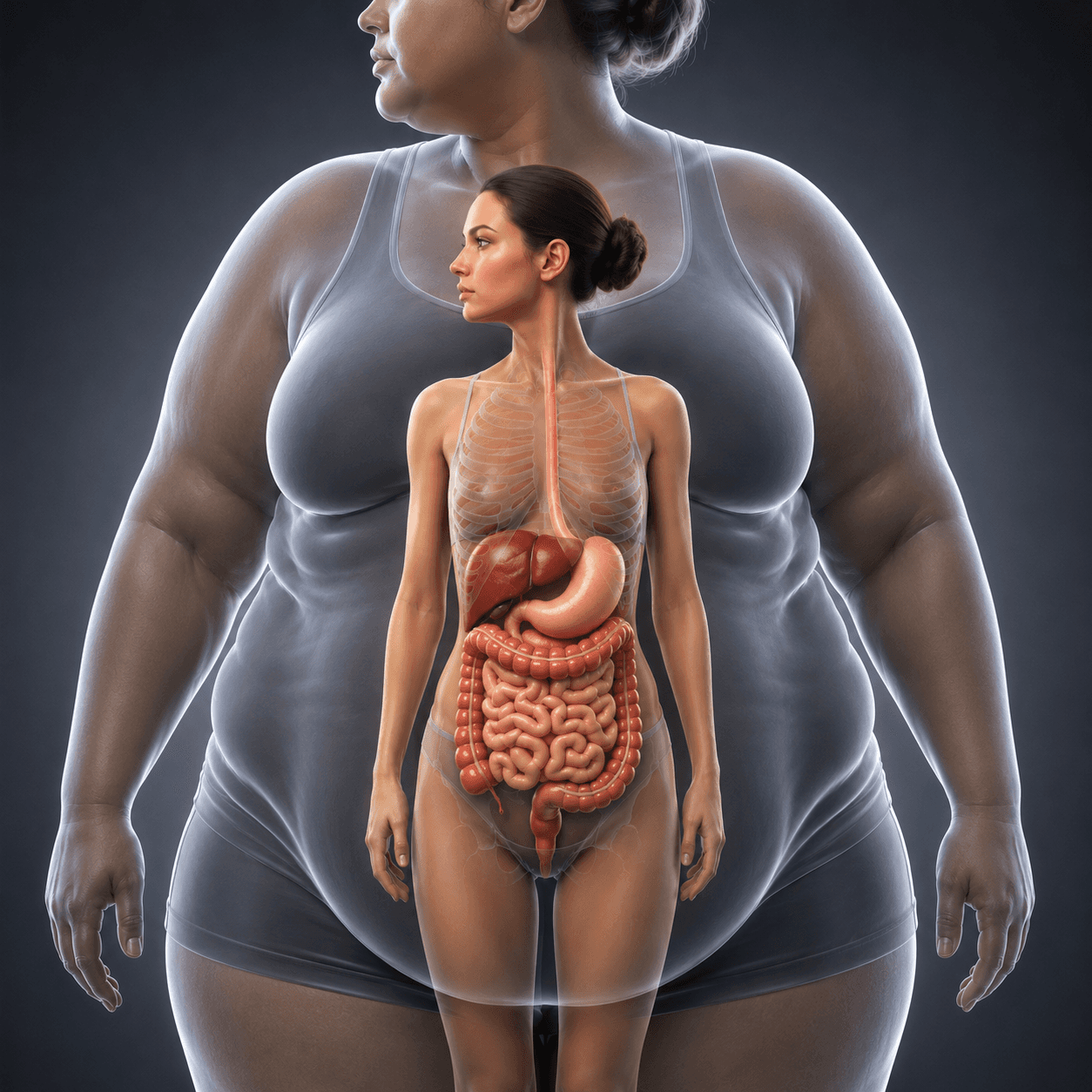
After weight loss, your body often burns fewer calories than it did before. This happens partly because you are physically smaller, and partly because the body can become more energy-efficient after dieting. This is known as metabolic adaptation or adaptive thermogenesis.
What does metabolism actually mean?
Your metabolism is the total amount of energy your body uses each day. This includes the energy needed for basic functions such as breathing, circulation, digestion, hormone production, brain function, movement, and tissue repair.
Your total daily energy expenditure includes:
Resting metabolic rate: the energy your body uses at rest
Exercise activity: planned movement such as gym sessions, running, or classes
NEAT: non-exercise activity such as walking, standing, cleaning, gardening, and fidgeting
Thermic effect of food: the energy used to digest and process food
Why does metabolism slow after weight loss?
After weight loss, your body usually needs less energy. A smaller body requires fewer calories to maintain itself and fewer calories to move around. For example, walking upstairs, carrying shopping, or doing a workout generally burns fewer calories in a lighter body than it did in a heavier body.
However, in some people, calorie burning may drop slightly more than expected based on body size alone. This is called metabolic adaptation.
After weight loss, your body may burn fewer calories and ask for more food. That combination is why maintenance can feel harder than weight loss itself.
What is metabolic adaptation?
Metabolic adaptation is the body’s protective response to weight loss or calorie restriction. From an evolutionary perspective, losing weight could signal a period of food shortage, so the body responds by conserving energy.
This can include:
A lower resting metabolic rate
Reduced spontaneous movement
Feeling colder or more tired
Greater hunger and food focus
Lower levels of satiety hormones
Improved muscular efficiency, meaning you burn fewer calories doing the same activity
This adaptation varies from person to person. Some people experience a noticeable change, while others experience a smaller effect.
Appetite changes after weight loss
One of the biggest challenges after weight loss is not just that the body burns fewer calories, but that appetite may increase.
After weight loss, levels of leptin, a hormone linked to fullness and energy stores, often decrease. Hunger signals such as ghrelin may increase. This means your body may encourage you to eat more at the same time as it is burning less energy.
This is one reason weight maintenance can feel harder than the weight-loss phase itself.
Does this mean weight regain is inevitable?
Metabolic adaptation can make weight maintenance more challenging, but it does not remove your ability to influence your health, body composition, or habits.
The goal after weight loss is not to keep restricting harder and harder. The goal is to build a lifestyle that supports your new body weight without constantly fighting your biology.
This usually means focusing on:
Strength training
Adequate protein
Daily movement
Sleep
Stress management
Fibre-rich meals
Realistic calorie intake
Consistent routines rather than extreme dieting.
How to support your metabolism after weight loss
1. Prioritise protein
Protein helps support muscle maintenance, satiety, and blood sugar balance. It is especially important during and after weight loss because losing muscle can contribute to a lower metabolic rate.
Good protein sources include:
Eggs
Fish
Chicken or turkey
Greek yoghurt
Cottage cheese
Tofu or tempeh
Lentils and beans
Protein powder, if needed.
2. Strength train
Strength training helps preserve or build lean muscle mass. This matters because muscle is metabolically active tissue and supports healthy body composition.
This does not mean you need to train intensely every day. Even two to three sessions per week can be helpful when done consistently.
Examples include:
Weight training
Resistance bands
Bodyweight exercises
Pilates-style strength work
Squats, lunges, rows, presses, and deadlifts.
3. Avoid very aggressive dieting
Very low-calorie diets may lead to faster weight loss at first, but they can also increase hunger, fatigue, cravings, and loss of lean mass.
The faster and more aggressively you diet, the louder the body’s energy-conservation systems may become.
A more sustainable approach usually includes:
A moderate calorie deficit
Enough protein
Regular meals
Strength training
Planned maintenance phases
Avoiding an “all or nothing” mindset.
4. Increase daily movement
NEAT stands for non-exercise activity thermogenesis. It includes all the movement you do outside formal exercise.
This can include:
Walking
Standing
Cleaning
Gardening
Taking the stairs
Stretching
Fidgeting
Carrying shopping
Moving around at work
After dieting, many people unconsciously move less. This can lower daily energy expenditure without them realising.
5. Sleep well
Sleep affects appetite, cravings, energy, blood sugar regulation, and recovery. Poor sleep can make it harder to maintain weight loss because it may increase hunger and reduce motivation to move.
Aim to support sleep by:
Keeping a regular bedtime
Getting morning light
Reducing caffeine later in the day
Avoiding heavy meals close to bed
Creating a calming evening routine
Keeping the bedroom cool and dark.
6. Manage stress
Chronic stress can affect appetite, cravings, digestion, sleep, and energy. Some people eat less when stressed, while others crave sugar, snacks, or comfort foods.
Stress management does not need to be complicated. Helpful tools include:
Walking outside
Breathwork
Journaling
Gentle yoga
Time away from screens
Social connection
Regular meals
Relaxing evening routines.
Final takeaway
Your metabolism can slow after weight loss, but this does not mean it is broken.
A smaller body naturally burns fewer calories, and the body may also adapt by conserving energy and increasing hunger. This can make weight maintenance more challenging, but not impossible.
The best approach is not extreme restriction. It is a sustainable plan that supports muscle mass, appetite regulation, movement, sleep, stress resilience, and long-term consistency.
Focus on building a body that feels nourished, strong, and supported — not one that is constantly fighting restriction.
Everyone’s metabolism, hormones, digestion, lifestyle, and weight-loss history are different. If you feel stuck, confused, or unsure what approach is right for your body, you may benefit from personalised support.
Book a consultation with me to receive tailored nutrition and lifestyle advice based on your symptoms, goals, health history, and current routine.
Blogs and Insights