🌿 Gut & Digestion
keto
microbiome
October 1, 2025
Share

The gut microbiome—our inner ecosystem of trillions of microorganisms—plays a central role in digestion, immunity, metabolic health, and even mood. One of the most powerful levers we have to influence this microbial community is diet.
1. Plant-Rich Diets (Vegetarian & Vegan)
Vegetarian and vegan diets, abundant in fibre, polyphenols, and prebiotics, consistently show a positive impact on gut health:
Increased diversity: Fibre-rich diets support the growth of Bifidobacteria and Lactobacillus, considered beneficial microbes.
Higher SCFA production: Complex carbohydrates are fermented into short-chain fatty acids (SCFAs) like butyrate, which regulate inflammation, enhance gut barrier integrity, and improve insulin sensitivity via GLP-1 secretion.
Immune modulation: Plant-based eaters often show reduced pro-inflammatory bacterial species compared to omnivores.
2. Mediterranean Diet
The Mediterranean diet—rich in vegetables, fruits, whole grains, legumes, olive oil, and fish—has the strongest evidence for supporting microbial balance:
Boosts butyrate producers: Promotes Faecalibacterium prausnitzii and Roseburia, both associated with anti-inflammatory effects.
Reduces pathogenic species: Linked to decreased levels of Proteobacteria and endotoxin-producing bacteria.
Metabolic benefits: Associated with lower risk of obesity, cardiovascular disease, and type 2 diabetes, partially mediated by the microbiome.
3. Western Diet
The Western diet, high in refined sugars, processed foods, and saturated fats, is consistently detrimental to microbial health:
Reduced diversity: Leads to dysbiosis, a disrupted microbiome linked with obesity, insulin resistance, and inflammatory bowel disease.
Loss of beneficial species: Fibre deficiency decreases SCFA producers.
Overgrowth of pro-inflammatory bacteria: Promotes Enterobacteriaceae and other endotoxin producers.
4. Ketogenic Diet
The ketogenic diet (KD), very low in carbohydrates and high in fats, shows more complex effects:
Reduced fibre-fermenters: Lower Bifidobacteria and Roseburia due to limited carbohydrate intake.
Microbiota reshaping: Increases Akkermansia and alters the Bacteroidetes:Firmicutes ratio, potentially aiding weight loss and neurological disorders.
Reduced Th17 inflammation: KD-associated microbes can lower intestinal Th17 cells, with benefits for epilepsy and autoimmune conditions.
5. Carnivore Diet
The carnivore diet, consisting solely of animal products, has very limited research:
Case study evidence: A single published study found dominance of Firmicutes and fiber-degraders like Faecalibacterium despite the absence of plant foods.
No major diversity loss (short-term): Suggesting microbial resilience, though long-term effects on SCFAs, inflammation, and metabolic risk remain unknown.
6. Omnivorous Mixed Diets
Omnivores consuming a balance of plant and animal foods show intermediate microbiome profiles:
Diversity depends strongly on fibre intake rather than animal protein.
Moderate meat consumption combined with high plant fibre may provide both microbial stability and functional diversity.
Comparative Summary
Diet Type | Key Microbiome Effects | SCFAs | Diversity Impact |
|---|---|---|---|
Vegan/Vegetarian | ↑ Bifidobacteria, Lactobacillus; ↑ butyrate-producers; ↓ inflammatory species | High | Increased |
Mediterranean | ↑ Faecalibacterium, Roseburia; ↓ Proteobacteria | High | Increased |
Western | ↓ beneficial microbes; ↑ endotoxin producers | Low | Reduced |
Ketogenic | ↓ fiber-fermenters; ↑ Akkermansia, shifts ratio Firmicutes:Bacteroidetes | Low | Mixed (short-term stable) |
Carnivore | Dominance of Firmicutes and Faecalibacterium (case study only) | Low | Stable (short-term) |
Omnivore | Variable; depends on fiber intake | Moderate | Moderate |
Mechanisms of Influence
Fiber and SCFAs
Diets rich in plants increase butyrate and other SCFAs, improving gut barrier integrity, reducing inflammation, and enhancing insulin sensitivity through GLP-1 stimulation.
Fat and Protein
High-fat, low-fibre diets (ketogenic, carnivore) shift microbiota toward protein and fat metabolisers, which may benefit ketosis but limit SCFA availability.
Immune Modulation
Plant-rich and Mediterranean diets increase anti-inflammatory microbes, while ketogenic diets may suppress specific inflammatory immune pathways.
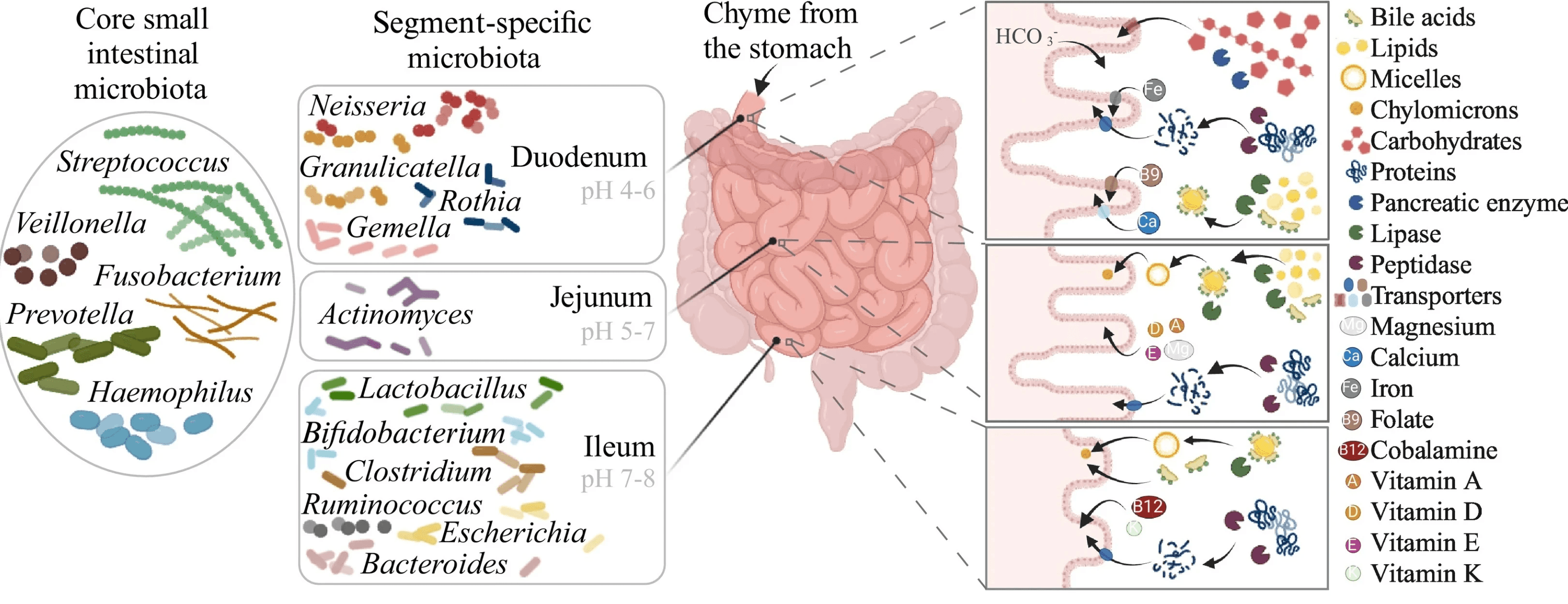
(Yersin and Vonaesch, 2024)
Conclusion
Diet is the most powerful determinant of gut microbiome composition and function.
Plant-rich and Mediterranean diets are strongly associated with higher diversity, increased SCFA production, and anti-inflammatory profiles.
Western diets disrupt microbial balance and contribute to metabolic disease.
Ketogenic diets reshape the microbiome in ways that may offer therapeutic benefits but reduce SCFA producers.
Carnivore diets remain poorly studied, with early evidence suggesting stability but unclear long-term outcomes.
Ultimately, a diverse, fibre-rich diet remains the most evidence-based approach to sustaining a healthy gut microbiome, though specific therapeutic diets may have targeted benefits.
For more precise, personalised advice Choose a Consultation.
We can explore your diet, lifestyle, hormone balance, gut health o create a targeted plan to improve your symptoms.
References
David, L.A. et al. (2014) ‘Diet rapidly alters the human gut microbiome’, Nature, 505(7484), pp. 559–563. https://doi.org/10.1038/nature12820.
Garcia-Mantrana et al. (2018) ‘Shifts on Gut Microbiota Associated to Mediterranean Diet Adherence and Specific Dietary Intakes on General Adult Population’, Frontiers in Microbiology, 9, p. 890. https://doi.org/10.3389/fmicb.2018.00890.
Haller, D. (2018) The Gut Microbiome in Health and Disease. Cham: Springer International Publishing. https://doi.org/10.1007/978-3-319-90545-7.
Karačić, A. et al. (2024) ‘The gut microbiome without any plant food? A case study on the gut microbiome of a healthy carnivore’, Microbiota and Host, 1(2), p. 100006. https://doi.org/10.1530/MAH-24-0006.
Olson, C.A. et al. (2018) ‘The gut microbiota mediates the anti-seizure effects of the ketogenic diet’, Cell, 173(7), pp. 1728–1741.e13. https://doi.org/10.1016/j.cell.2018.04.027.
Paoli, A. et al. (2013) ‘Therapeutic uses of very-low-carbohydrate (ketogenic) diets: a review’, European Journal of Clinical Nutrition, 67(8), pp. 789–796. https://doi.org/10.1038/ejcn.2013.116.
Tomova, A. et al. (2019) ‘The Effects of Vegetarian and Vegan Diets on Gut Microbiota’, Frontiers in Nutrition, 6, p. 47. https://doi.org/10.3389/fnut.2019.00047.
Wu, V. C. H. (ed.) (2022) The Gut Microbiome: Bench to Table. Boca Raton: CRC Press. https://doi.org/10.1201/b22970
Yersin, S. and Vonaesch, P. (2024) ‘Small intestinal microbiota: from taxonomic composition to metabolism’, Trends in Microbiology [Preprint]. https://doi.org/10.1016/j.tim.2024.02.013.
Zinöcker, M.K. and Lindseth, I.A. (2018) ‘The Western Diet–Microbiome-Host Interaction and Its Role in Metabolic Disease’, Nutrients, 10(3), p. 365. https://doi.org/10.3390/nu10030365.
Blogs and Insights

