📌 Conditions & Clinical Guides
Hair
Aging
October 12, 2025
Share
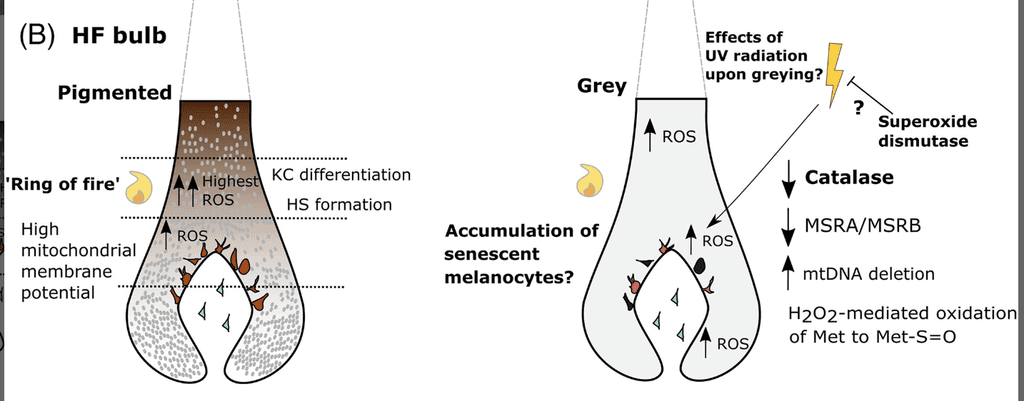
(Sullivan et al. 2020)
Evidence from recent clinical and review studies identifies familial predisposition, micronutrient deficiencies (vitamin B₁₂, ferritin, calcium, copper, and iron), and oxidative stress as key contributors. Lifestyle factors such as smoking, psychological stress, and inactivity amplify oxidative injury to melanocyte. In many cases, premature greying can be slowed or partially reversed through nutritional correction, management of underlying conditions, and emerging topical or pharmacological treatments.
Pathophysiology and Mechanisms
Genetic Predisposition
Family history is one of the most consistent predictors of early greying. Genome studies have linked variants in genes that regulate pigment production and melanocyte survival, including those influencing tyrosinase activity and stem-cell maintenance. Mutations affecting these pathways accelerate the depletion of melanocyte stem cells, leading to loss of pigmentation.
Oxidative Stress
Oxidative stress is a central mechanism in premature greying. Reactive oxygen species accumulate within hair follicles, damaging DNA and proteins in melanocytes and their stem cells. Declining antioxidant enzymes such as catalase and superoxide dismutase allow hydrogen peroxide to build up, which directly deactivates melanin-forming enzymes and “bleaches” existing pigment. This oxidative imbalance eventually causes melanocyte apoptosis and depletion.
Nutritional Deficiencies
Nutritional imbalances are strongly associated with premature greying. The most common deficiencies include vitamin B₁₂, ferritin (iron stores), calcium, folate, biotin, copper, and zinc. These nutrients act as cofactors in DNA synthesis, antioxidant defense, and melanin production. Correcting deficiencies—especially of vitamin B₁₂ and iron—has been linked to partial restoration of hair colour in some individuals.
Medical and Metabolic Associations
Endocrine and metabolic conditions can contribute to premature greying. Thyroid disorders, particularly hypothyroidism, are frequently observed. Metabolic issues such as obesity, dyslipidaemia, elevated uric acid, and liver dysfunction may promote greying through increased systemic oxidative stress. Autoimmune and atopic tendencies can also affect melanocyte function and pigmentation.
Lifestyle and Environmental Factors
Smoking, chronic stress, and sedentary behaviour are major lifestyle contributors. Tobacco smoke introduces reactive free radicals that damage follicular structures, while stress hormones can alter melanocyte signalling and accelerate stem-cell exhaustion. Ultraviolet exposure and pollution further aggravate oxidative stress. On the other hand, regular scalp oiling or massage has been associated with protective effects, likely through improved circulation and antioxidant content in natural oils.
Treatment and Reversal Strategies
Correcting Nutritional Deficiencies
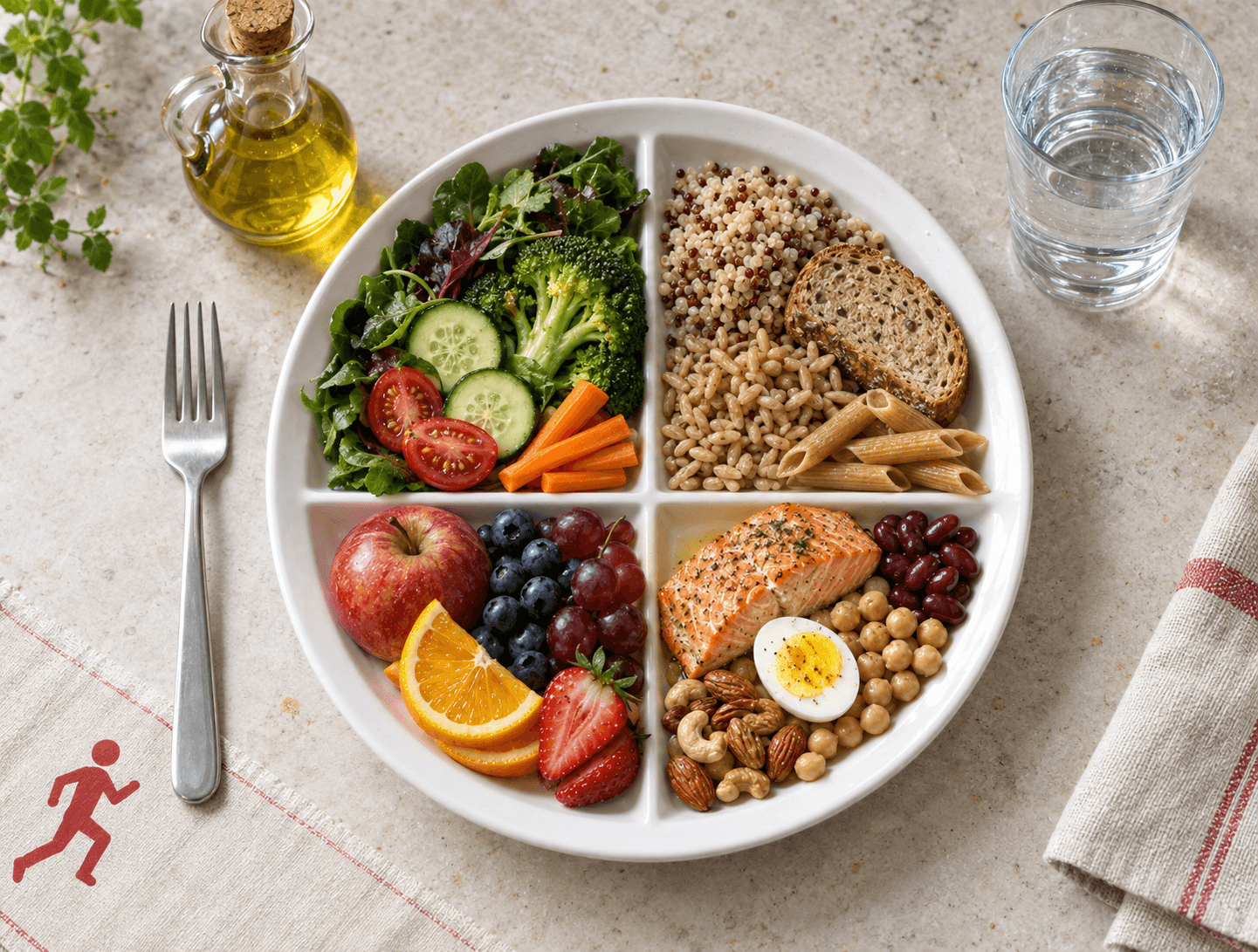
Nutritional therapy is a first-line approach. Supplementation with vitamin B₁₂, folic acid, biotin, calcium pantothenate, para-aminobenzoic acid (PABA), ferritin, copper, and iron supports melanin synthesis and hair health. Balanced dietary intake of these nutrients, along with sufficient protein and antioxidants, can help restore normal follicle metabolism and slow pigment loss.
Lifestyle and Behavioural Modification
Preventive strategies include smoking cessation, regular exercise, stress management, and an antioxidant-rich diet. Foods high in vitamins C and E, polyphenols, and omega-3 fatty acids strengthen cellular defences against oxidative damage. Adequate sleep, mindfulness, and hydration also support hormonal and metabolic balance. Traditional practices such as hair oiling and gentle scalp massage may further protect follicles.
Medical and Novel Therapies
Treating underlying thyroid or metabolic conditions may help stabilize greying. Experimental approaches include topical peptides such as palmitoyl tetrapeptide-20 and agents acting on the endocannabinoid system, which may stimulate melanogenesis and protect melanocytes from oxidative stress. Herbal and botanical preparations, including Ayurvedic oils and antioxidant formulations, show promise but require more rigorous testing. Conventional cosmetic options—temporary or permanent hair dyes—remain widely used but can cause irritation or inflammation if misused.
Conclusion
Premature greying reflects an interplay of genetics, oxidative stress, and modifiable environmental influences. While hereditary factors determine susceptibility, nutritional imbalances, thyroid dysfunction, smoking, and chronic stress accelerate pigment loss. Comprehensive management—combining nutritional optimisation, healthy lifestyle habits, and emerging targeted therapies—can slow or partially reverse the process and improve overall scalp and hair vitality.
References
Chen, J. et al. (2022) ‘Hair Graying Regulators Beyond Hair Follicle’, Frontiers in Physiology, 13. Available at: https://doi.org/10.3389/fphys.2022.839859.
Kaur, K., Kaur, R. and Bala, I. (2019) ‘Therapeutics of premature hair graying: A long journey ahead’, Journal of Cosmetic Dermatology, 18(5), pp. 1206–1214. Available at: https://doi.org/10.1111/jocd.13000.
Mahendiratta, S. et al. (2020) ‘Premature graying of hair: Risk factors, co-morbid conditions, pharmacotherapy and reversal—A systematic review and meta-analysis’, Dermatologic Therapy, 33(6), p. e13990. Available at: https://doi.org/10.1111/dth.13990.
O’Sullivan, J.D.B. et al. (2021) ‘The biology of human hair greying’, Biological Reviews, 96(1), pp. 107–128. Available at: https://doi.org/10.1111/brv.12648.
Poonia, K. and Bhalla, M. (2024) ‘Premature Graying of Hair: A Comprehensive Review and Recent Insights’, Indian Dermatology Online Journal, 15(5), pp. 721–731. Available at: https://doi.org/10.4103/idoj.idoj_807_23.
Seiberg, M. (2013) ‘Age-induced hair greying – the multiple effects of oxidative stress’, International Journal of Cosmetic Science, 35(6), pp. 532–538. Available at: https://doi.org/10.1111/ics.12090.
Sharma, N. and Dogra, D. (2018) ‘Association of Epidemiological and Biochemical Factors with Premature Graying of Hair: A Case–Control Study’, International Journal of Trichology, 10(5), pp. 211–217. Available at: https://doi.org/10.4103/ijt.ijt_39_18.
Shi, Y. et al. (2014) ‘Premature Graying as a Consequence of Compromised Antioxidant Activity in Hair Bulb Melanocytes and Their Precursors’, PLoS ONE, 9(4), p. e93589. Available at: https://doi.org/10.1371/journal.pone.0093589.
Blogs and Insights