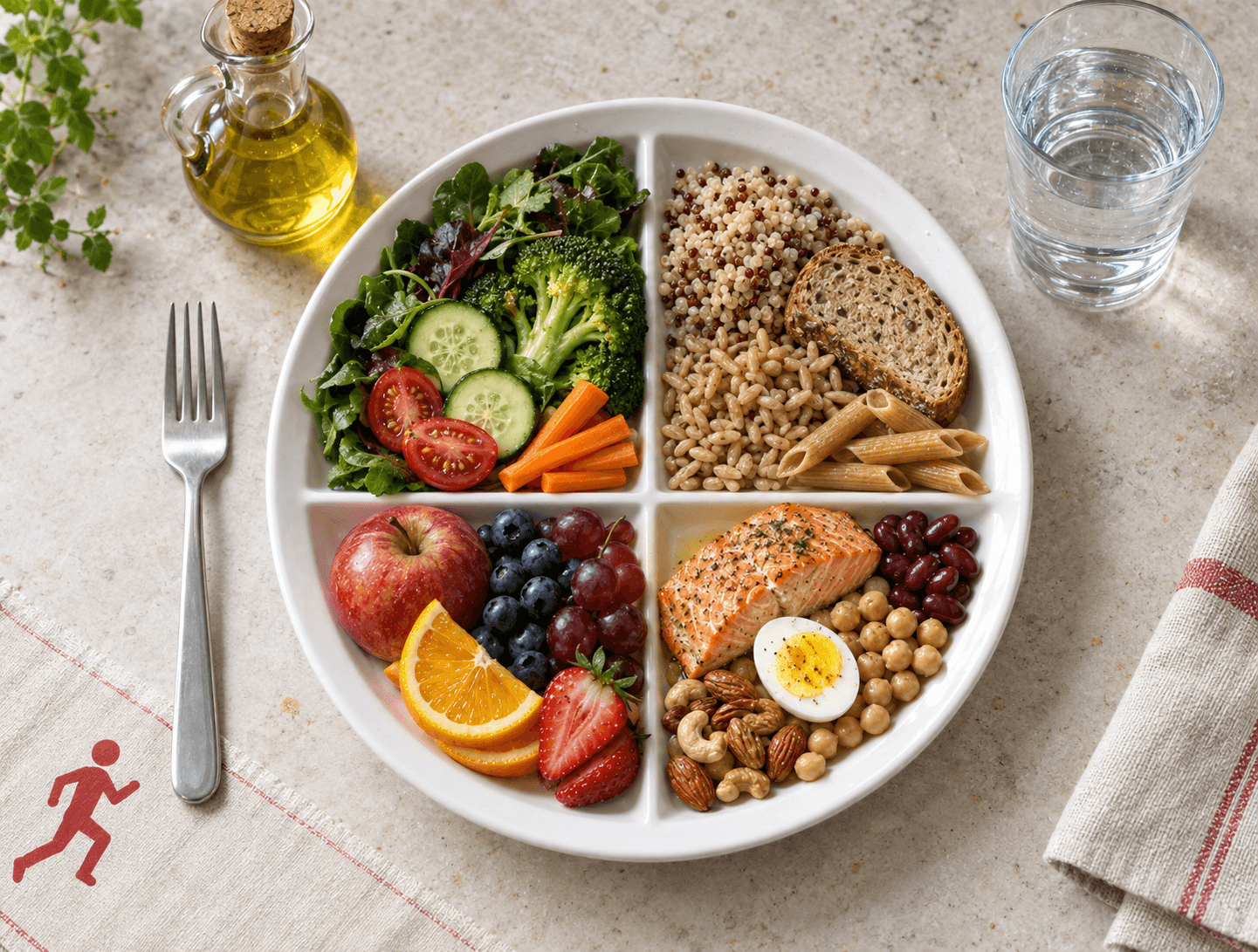
🌸 Hormones & Women’s Health
women’s health
testing
August 27, 2025
Share
What the Menstrual Cycle Tells Us About Health
Your menstrual cycle is more than just your monthly bleed — it’s a vital sign. A balanced cycle reflects good nutrition, hormone communication, and a well-regulated nervous system.
In naturopathic nutrition, the cycle is seen as a diagnostic tool — one that reveals early signs of imbalance and offers clear cues about how to support your body.
1. Honour Each Phase of the Cycle
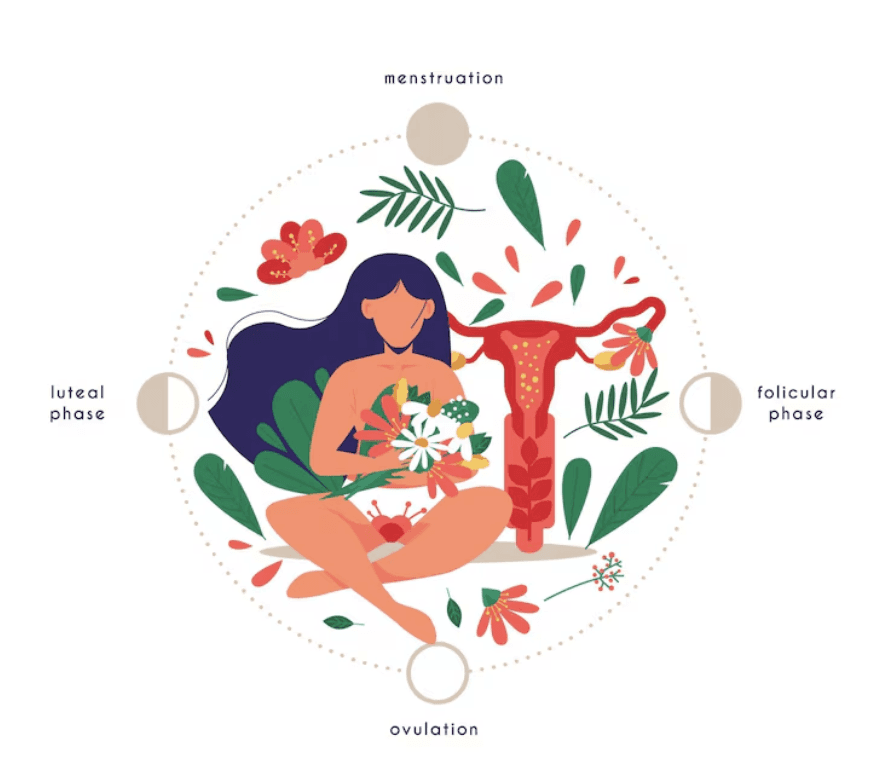
Your cycle has four distinct phases. Each one brings different needs and strengths.
Menstrual (Day 1–5)
Hormones are at their lowest. Focus on rest and gentle nourishment. Support iron levels with lentils, leafy greens, beetroot, and nettle tea.
Follicular (Day 6–13)
Oestrogen begins to rise. You’ll likely feel more motivated and outward-facing. Fuel this phase with fresh veg, lean protein, fermented foods, and omega-3s.
Ovulation (Day 14–16)
This is your fertile peak. B vitamins, zinc, and antioxidants (berries, broccoli sprouts) help support egg health and reduce inflammation.
Luteal (Day 17–28)
Progesterone increases. If oestrogen or progesterone are out of sync, PMS may appear. Support mood, digestion, and detox with magnesium, B6, protein, and leafy greens.
2. Support Oestrogen & Progesterone Balance
Your hormones depend on nutrient sufficiency and effective detox.
Eat cruciferous vegetables daily to support oestrogen clearance (broccoli, kale, radish).
Try seed cycling:
Days 1–14: Flax + pumpkin (support oestrogen)
Days 15–28: Sesame + sunflower (support progesterone)
Prioritise zinc, magnesium, and B6 — all essential cofactors in hormone production.
3. Fibre & Gut Health are Essential
Gut bacteria help eliminate excess oestrogen. Constipation or dysbiosis can cause it to recirculate.
Aim for 7–9 portions of colourful plants daily.
Add ground flaxseed (1–2 tbsp) to smoothies or porridge.
Eat fermented foods (sauerkraut, kefir, miso) to support the microbiome.
4. Remove Endocrine Disruptors
Chemicals found in plastic, beauty products, and cleaning agents can mimic hormones.
Use glass or stainless steel instead of plastic.
Opt for natural or fragrance-free skincare.
Drink filtered water to avoid chlorine, fluoride, and residues.
5. Support Stress & Sleep
Stress inhibits ovulation and drains progesterone reserves.
Try yoga, walking, or breathwork to calm the HPA axis.
Drink herbal teas like lemon balm, raspberry leaf, or chamomile.
Get 7–9 hours of dark, uninterrupted sleep — it’s when hormones reset.
Final Thoughts
Your menstrual cycle should feel intuitive — not chaotic, painful, or mysterious. If it doesn’t, your body is asking for support.
In my clinic, we often use testing to identify the root cause of cycle-related symptoms. Depending on your needs, this may include:
DUTCH Test – for a detailed look at hormone metabolites and cortisol patterns.
Comprehensive blood hormonal panel – to check oestrogen, progesterone, FSH, LH, thyroid, and more.
Genetic testing – to assess hormone metabolism, detox pathways, and nutrient utilisation.
By combining targeted testing with food, lifestyle, and a deeper understanding of hormonal rhythms, you can bring your cycle back into alignment — with gentleness and intention.
For more details on these tests and how they can guide your personalised plan, visit my diagnostics page.
If you already have test results from any of these investigations, you can book a Health Assessment consultation so we can interpret your data together and turn it into a tailored, actionable plan.
Blogs and Insights