🌿 Gut & Digestion
Diet
Microbiome
October 7, 2025
Share
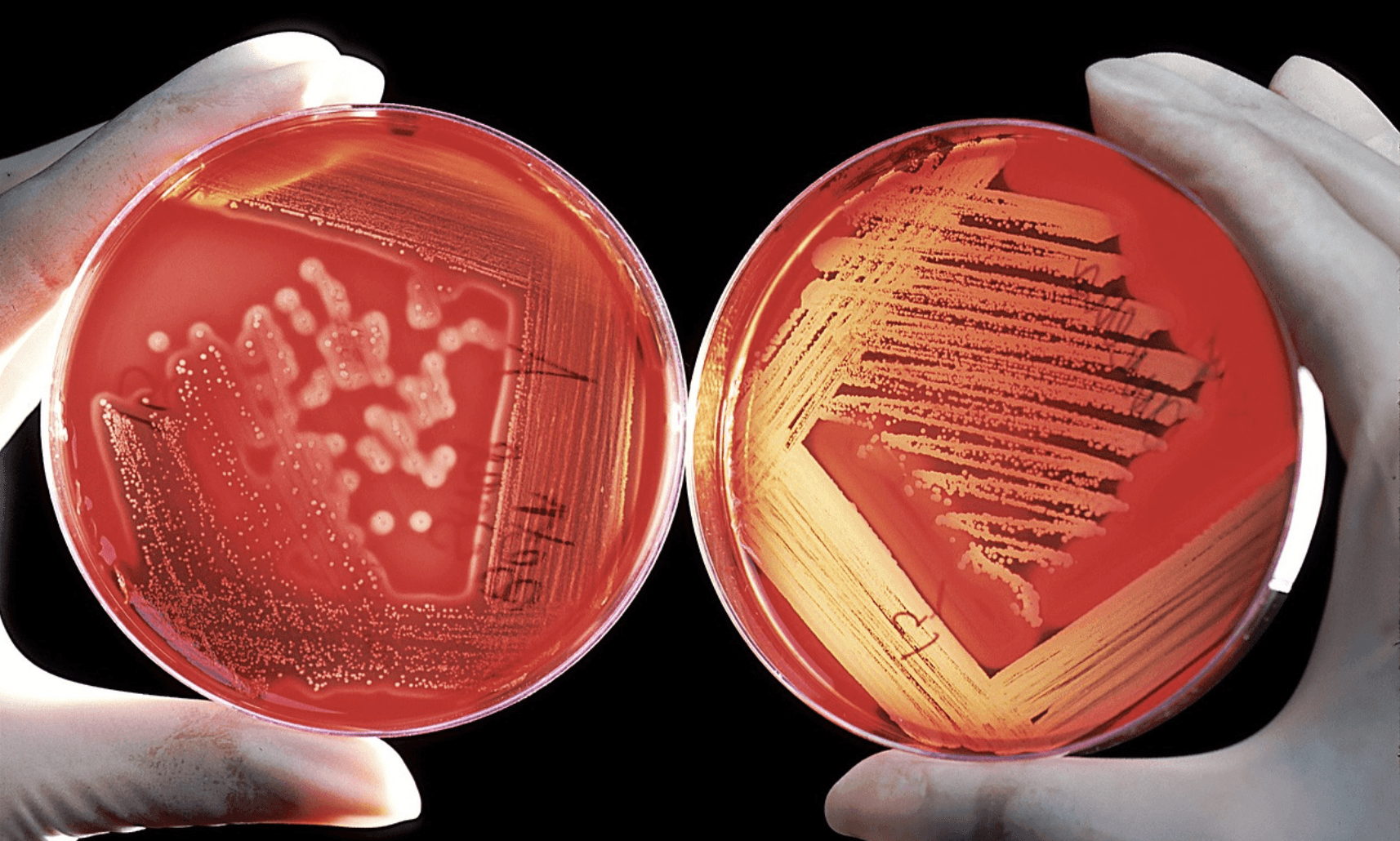
Containing over 150 times more genes than the human genome, the gut microbiome is a vast ecosystem of bacteria, archaea, fungi, and viruses that performs essential metabolic and immune functions. Most gut bacteria belong to the Firmicutes and Bacteroidetes phyla, and together they play critical roles in digestion, nutrient synthesis, immunity, and even brain function.
A balanced microbiome maintains intestinal barrier integrity and immune tolerance, while dysbiosis — an imbalance in microbial diversity — has been linked to inflammatory bowel disease (IBD), obesity, type 2 diabetes, cardiovascular disease, and neuropsychiatric conditions.
Beyond simply digesting food, the microbiome provides enzymatic capabilities the human host lacks: fermentation of indigestible carbohydrates, transformation of amino acids, synthesis of B-vitamins and vitamin K, conversion of bile acids, and metabolism of polyphenols.
Notable Gut Bacteria and Their Functions
Bacteroides fragilis
A common anaerobic commensal (phylum Bacteroidetes), B. fragilis breaks down complex carbohydrates and proteins, releasing acetate and propionate — short-chain fatty acids (SCFAs) that fuel host metabolism. It produces vitamin K2 and an immunomodulatory capsule polysaccharide A (PSA) that induces IL-10-secreting regulatory T cells, suppressing inflammation.
In mouse studies, PSA or live B. fragilis protects against colitis and neuroinflammation by calming overactive immune responses. However, enterotoxigenic strains that produce B. fragilis toxin (BFT) are linked to colonic inflammation and cancer, underscoring strain-specific effects.
Faecalibacterium prausnitzii
A Gram-positive anaerobe (phylum Firmicutes), F. prausnitzii is among the most abundant gut species (~5 % of total flora). It is a major butyrate producer, and butyrate is vital for colonocyte energy, tight-junction maintenance, and anti-inflammatory gene regulation.
This bacterium also secretes a microbial anti-inflammatory molecule (MAM) that inhibits NF-κB activation. Consistently, F. prausnitzii abundance is reduced in Crohn’s disease and other inflammatory disorders, identifying it as a key marker of gut eubiosis.
Akkermansia muciniphila
A mucin-degrading bacterium (phylum Verrucomicrobia) living in the intestinal mucus layer. By digesting mucin, A. muciniphila stimulates mucin renewal, strengthens barrier function, and regulates fat and glucose metabolism. Clinical trials show that supplementation with live or pasteurized A. muciniphila improves insulin sensitivity and lowers cholesterol, highlighting its potential as a next-generation probiotic.
Other Beneficial Commensals
Bifidobacterium species dominate the infant gut, digesting milk oligosaccharides and producing acetate, lactate, and B-vitamins.
Roseburia and Eubacterium species, also abundant in healthy adults, ferment fiber into butyrate. Conversely, Fusobacterium nucleatum and toxigenic B. fragilis strains are associated with colonic inflammation and carcinogenesis.
Microbial Metabolism of Nutrients
Carbohydrates → SCFAs and Gases
In the colon, undigested carbohydrates (fiber, resistant starches) undergo saccharolytic fermentation by bacteria such as Bacteroides, Roseburia, and Faecalibacterium, producing acetate, propionate, and butyrate in a molar ratio of about 3:1:1.
Butyrate nourishes colonocytes and exerts anti-inflammatory, anti-cancer, and epigenetic effects (via HDAC inhibition).
Propionate supports hepatic gluconeogenesis and appetite regulation through G-protein-coupled receptors (GPR41/43).
Acetate circulates systemically, fueling lipid and cholesterol synthesis and serving as a cross-feeding substrate for other microbes.
Fiber deprivation reduces SCFA output and beneficial taxa such as Roseburia and E. rectale, whereas arabinoxylan-oligosaccharide supplementation restores them.
Proteins → Amino Acid Metabolites and BCFAs
When fermentable carbohydrate is limited, microbes degrade proteins into amino acids and branched-chain fatty acids (BCFAs), ammonia, phenols, and indoles. Some products like indolepropionic acid have antioxidant functions, but excessive proteolysis—common on low-fiber diets—generates potentially harmful compounds. In vitro, adding fiber suppresses these metabolites by ~60 %, confirming diet’s regulatory role.
Lipids and Bile Acids
Gut bacteria expressing bile-salt hydrolase (BSH)—including Lactobacillus, Bifidobacterium, and Clostridium—deconjugate bile acids and convert them into secondary forms (DCA, LCA). These act on receptors FXR and TGR5, influencing lipid absorption, glucose homeostasis, and energy expenditure. Dysregulated bile-acid metabolism contributes to gallstones, metabolic dysfunction, and colorectal cancer.
Polyphenols
About 90 % of dietary polyphenols reach the colon intact, where bacteria transform them into absorbable, bioactive derivatives such as urolithins (from ellagitannins) and equol (from daidzein). Only ~30 % of individuals harbor equol-producing strains, explaining inter-individual differences in the benefits of polyphenol-rich diets.
Vitamin Biosynthesis
The microbiota synthesizes most B-vitamins (B1, B2, B3, B5, B6, B7, B9, B12) and vitamin K2, potentially covering up to 25–30 % of host requirements. These microbial vitamins support energy metabolism, red-blood-cell formation, and clotting. Bacteroides, Bifidobacterium, and Eubacterium show the strongest biosynthetic capacity.
The Microbiome and the Immune System
Commensal microbes are essential for immune development and regulation. Their metabolites and cell-surface molecules interact with mucosal immune cells, training the system to tolerate beneficial microbes while responding to pathogens.
B. fragilis PSA triggers TLR2-mediated induction of IL-10-secreting regulatory T cells.
SCFAs, especially butyrate, suppress pro-inflammatory NF-κB activity and promote T-cell differentiation.
Dysbiosis skews these signals, contributing to autoimmune and inflammatory diseases such as IBD, rheumatoid arthritis, and multiple sclerosis. Restoring beneficial microbes or their metabolites can re-establish immune homeostasis.
The Gut–Brain Axis
The gut and brain communicate bidirectionally via the vagus nerve, immune signalling, and microbial metabolites. Gut bacteria produce GABA, dopamine, and serotonin precursors from tryptophan, influencing mood and cognition. SCFAs also cross the blood–brain barrier, reducing neuroinflammation.
Germ-free animal studies demonstrate altered stress responses and neurochemistry, and human data link dysbiosis to depression, anxiety, Parkinson’s, and Alzheimer’s disease, partly through disturbed tryptophan metabolism and inflammatory cytokines.
Metabolic and Cardiovascular Health
The microbiome modulates energy harvest, insulin sensitivity, and lipid metabolism. SCFAs enhance glucose regulation and satiety, while dysbiosis promotes metabolic endotoxemia and obesity.
Certain microbes convert dietary choline and carnitine (from red meat and eggs) into trimethylamine (TMA), oxidised in the liver to TMAO, a pro-atherogenic compound. Diets rich in fibre and polyphenols promote SCFA-producing bacteria and lower TMAO levels, whereas high-fat, processed diets have the opposite effect.
Gastrointestinal Health
A healthy microbiome underpins gut integrity. In IBD, depletion of F. prausnitzii and other butyrate producers weakens the epithelial barrier, while expansion of pathobionts like Fusobacterium nucleatum drives inflammation and carcinogenesis.
In IBS, altered microbial fermentation and reduced Bifidobacterium contribute to bloating and motility issues. Microbiota-targeted therapies—probiotics, prebiotics, and fecal microbiota transplantation (FMT)—are showing efficacy in restoring microbial balance and remission in C. difficile infection and colitis.
Nutrition and the Microbiome
Diet is the most powerful determinant of microbial composition:
High-fiber, plant-rich diets promote SCFA producers and B-vitamin synthesis.
Fermented foods (yogurt, kefir, kimchi, sauerkraut) introduce live microbes and reduce systemic inflammation.
Prebiotics (inulin, resistant starch, fructo-oligosaccharides) selectively feed Bifidobacterium and Faecalibacterium.
Conversely, ultra-processed foods—rich in refined sugars, emulsifiers, and artificial sweeteners—reduce diversity, damage the mucus layer, and increase intestinal permeability. Encouragingly, dietary improvements can rebalance the microbiome within weeks, enhancing beneficial metabolites while reducing harmful by-products.
Conclusion
The gut microbiome is an integral partner in human physiology, converting macronutrients into metabolites and micronutrients that sustain systemic health. It ferments fibres into SCFAs, processes proteins and fats, produces vitamins, modifies bile acids, and influences immune, metabolic, and neurological function.
A fibre-rich, minimally processed diet remains the most effective and evidence-based approach to maintaining microbial diversity and resilience. As research evolves, microbiome-targeted interventions — from precision probiotics to dietary therapies — promise to transform preventive and personalised medicine.
References
Bokulich, N.A. and Blaser, M.J. (2014) ‘A Bitter Aftertaste: Unintended Effects of Artificial Sweeteners on the Gut Microbiome’, Cell Metabolism, 20(5), pp. 701–703. https://doi.org/10.1016/j.cmet.2014.10.012.
Budoff, M.J. et al. (2025) ‘Trimethylamine-N-oxide (TMAO) and risk of incident cardiovascular events in the multi ethnic study of Atherosclerosis’, Scientific Reports, 15(1), p. 23362. https://doi.org/10.1038/s41598-025-05903-3.
Canyelles, M. et al. (2023) ‘Gut Microbiota-Derived TMAO: A Causal Factor Promoting Atherosclerotic Cardiovascular Disease?’, International Journal of Molecular Sciences, 24(3), p. 1940. https://doi.org/10.3390/ijms24031940.
Chen, C. et al. (2025) ‘Harnessing gut microbiota for colorectal cancer therapy: from clinical insights to therapeutic innovations’, npj Biofilms and Microbiomes, 11(1), p. 190. https://doi.org/10.1038/s41522-025-00818-3.
Depommier, C. et al. (2019) ‘Supplementation with Akkermansia muciniphila in overweight and obese human volunteers: a proof-of-concept exploratory study’, Nature Medicine, 25(7), pp. 1096–1103. https://doi.org/10.1038/s41591-019-0495-2.
Hou, K. et al. (2022) ‘Microbiota in health and diseases’, Signal Transduction and Targeted Therapy, 7(1), p. 135. Available at: https://doi.org/10.1038/s41392-022-00974-4.
Loh, J.S. et al. (2024) ‘Microbiota–gut–brain axis and its therapeutic applications in neurodegenerative diseases’, Signal Transduction and Targeted Therapy, 9(1), p. 37. https://doi.org/10.1038/s41392-024-01743-1.
Mhanna, A. et al. (2023) ‘The correlation between gut microbiota and both neurotransmitters and mental disorders: A narrative review’, Medicine, 103(5), p. e37114. https://doi.org/10.1097/MD.0000000000037114.
Ramakrishna, C. et al. (2019) ‘Bacteroides fragilis polysaccharide A induces IL-10 secreting B and T cells that prevent viral encephalitis’, Nature Communications, 10(1), p. 2153. https://doi.org/10.1038/s41467-019-09884-6.
Rowland, I. et al. (2018) ‘Gut microbiota functions: metabolism of nutrients and other food components’, European Journal of Nutrition, 57(1), pp. 1–24. https://doi.org/10.1007/s00394-017-1445-8.
Spiller, A.L. et al. (2025) ‘Ultra-Processed Foods, Gut Microbiota, and Inflammatory Bowel Disease: A Critical Review of Emerging Evidence’, Nutrients, 17(16), p. 2677. https://doi.org/10.3390/nu17162677.
Syromyatnikov, M. et al. (2025) ‘Cross-talk between next-generation probiotics and the immune system’, BIOCELL, 49(9), pp. 1573–1603. Available at: https://doi.org/10.32604/biocell.2025.065311.
Visuthranukul, C. et al. (2024) ‘Inulin supplementation exhibits increased muscle mass via gut-muscle axis in children with obesity’, Scientific Reports, 14(1), p. 11181. https://doi.org/10.1038/s41598-024-61781-1.
Wastyk, H.C. et al. (2021) ‘Gut Microbiota-Targeted Diets Modulate Human Immune Status’, Cell, 184(16), pp. 4137–4153.e14. https://doi.org/10.1016/j.cell.2021.06.019.
Zhang, F. et al. (2022) ‘The gut microbiome: linking dietary fiber to inflammatory diseases’, Medicine in Microecology, 14, p. 100070. https://doi.org/10.1016/j.medmic.2022.100070.
Blogs and Insights