🧩 Foundations of Health
Energy
Nutrients
October 19, 2025
Share
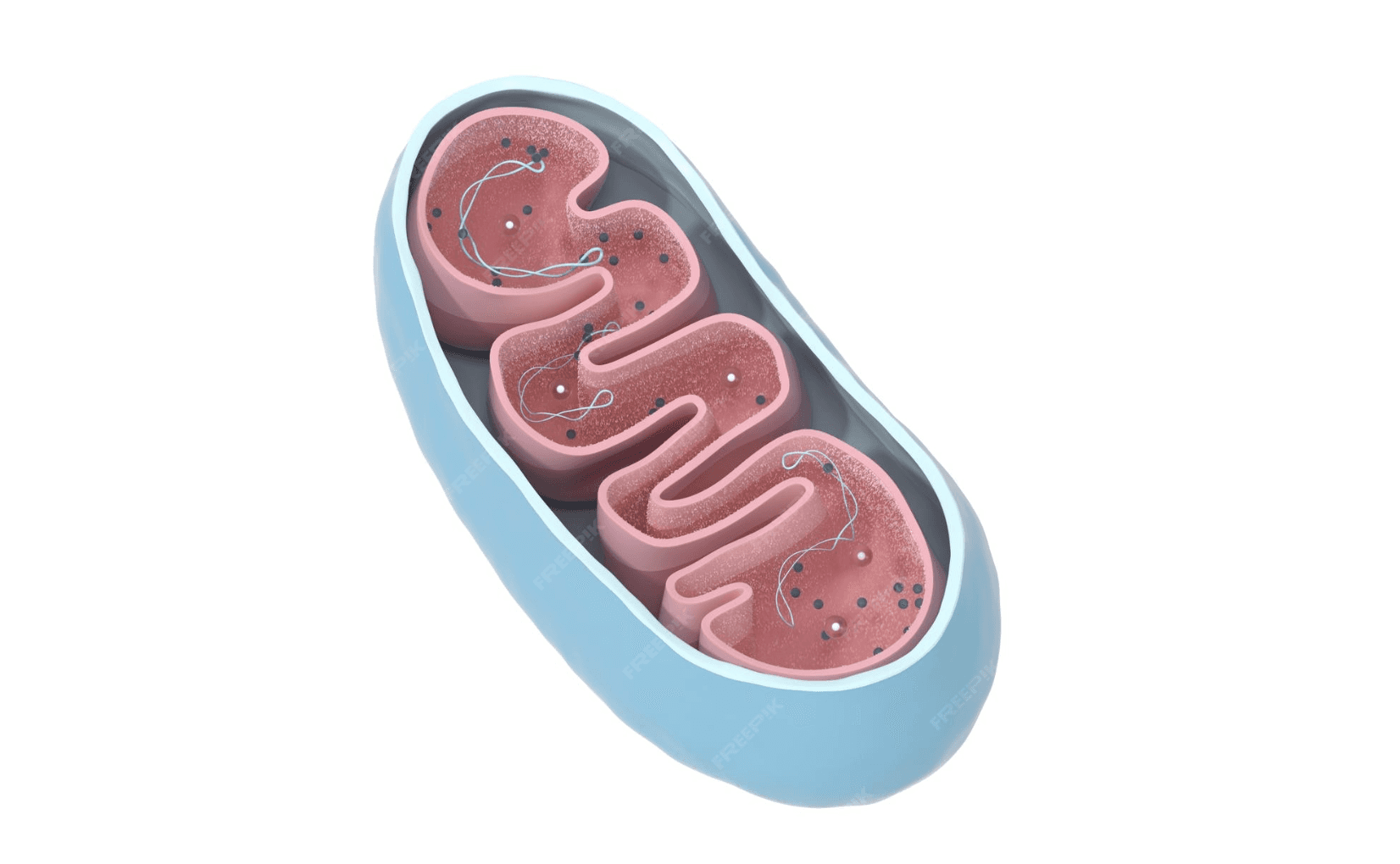
Every moment, your cells rely on tiny powerhouses called mitochondria to transform the food you eat into usable energy. This process — known as cellular respiration — converts carbohydrates, fats, and proteins into the body’s energy currency, ATP (adenosine triphosphate). ATP fuels every process in the body: muscle contraction, hormone synthesis, detoxification, brain activity, and more.
Where Energy Is Produced
Energy is produced inside the mitochondria, through three main stages:
Glycolysis – occurs in the cell’s cytosol (outside the mitochondria). Glucose is split into two molecules of pyruvate, producing a small amount of ATP and electron carriers (NADH).
Citric Acid Cycle (Krebs Cycle) – takes place in the mitochondrial matrix. Pyruvate is converted into acetyl-CoA and oxidized to carbon dioxide (CO₂), producing more electron carriers (NADH and FADH₂).
Oxidative Phosphorylation – happens along the inner mitochondrial membrane. NADH and FADH₂ donate their electrons to the electron transport chain, which uses oxygen to generate the bulk of ATP through ATP synthase.
Altogether, one molecule of glucose can yield around 30–32 ATP, most of which are made in this final mitochondrial step.
What Fuels the Mitochondria
The mitochondria can generate energy from three main types of substrates:
Carbohydrates (Glucose) – the body’s most immediate energy source. Glucose from food is converted to pyruvate, then to acetyl-CoA, entering the citric acid cycle.
Fats (Fatty Acids) – the most energy-dense fuel. Fatty acids undergo β-oxidation inside mitochondria, producing acetyl-CoA, NADH, and FADH₂. This process yields large amounts of ATP, especially during fasting or endurance activity.
Proteins (Amino Acids) – used when carbohydrate and fat availability is low. After deamination (removal of nitrogen), amino acids enter the energy pathways as pyruvate, acetyl-CoA, or citric acid cycle intermediates.
The Steps of Energy Production
Energy production unfolds in a chain of reactions that move carbon, electrons, and hydrogen atoms from food to oxygen:
Glycolysis (cytosol): Produces a small amount of ATP and NADH.
Pyruvate oxidation (mitochondria): Converts pyruvate into acetyl-CoA, releasing CO₂.
Citric Acid Cycle: Fully oxidizes acetyl-CoA to CO₂ while generating NADH, FADH₂, and a small amount of ATP.
Electron Transport Chain and ATP Synthase: Uses NADH and FADH₂ to transfer electrons through mitochondrial complexes, creating a proton gradient that drives ATP formation. Oxygen is the final electron acceptor, combining with hydrogen to form water.
The waste products — carbon dioxide and water — are exhaled or excreted, while the stored chemical energy in food becomes usable biological energy in the form of ATP.
What Nutrients and Cofactors the Mitochondria Need
For the mitochondria to run efficiently, they depend on a wide range of vitamin- and mineral-derived cofactors that assist enzymes at each step of energy metabolism.
B vitamins are among the most crucial:
Thiamine (B₁) enables enzymes that convert pyruvate to acetyl-CoA.
Riboflavin (B₂) and Niacin (B₃) form the electron carriers FAD and NAD⁺, which move energy through the respiratory chain.
Pantothenic acid (B₅) is part of coenzyme A, the molecule that carries acetyl groups into the citric acid cycle.
Pyridoxine (B₆), Biotin (B₇), Folate (B₉), and B₁₂ support amino acid metabolism, methylation, and red blood cell formation, all indirectly sustaining mitochondrial performance.
Other vital nutrients include magnesium, which stabilizes and activates ATP; iron, required for the cytochromes in the electron transport chain; and coenzyme Q10 (ubiquinone), which transfers electrons between mitochondrial complexes. L-carnitine shuttles fatty acids into mitochondria for β-oxidation, and alpha-lipoic acid acts as both an antioxidant and cofactor in pyruvate metabolism.
Deficiency or imbalance in any of these nutrients can impair mitochondrial energy production, leading to fatigue, slower metabolism, and oxidative stress.
Waste Products and Their Role
Carbon dioxide (CO₂) is released during energy production and carried to the lungs for exhalation.
Water (H₂O) forms as oxygen accepts electrons at the end of the electron transport chain.
Heat is produced as a by-product — helping maintain body temperature.
When Energy Production Goes Wrong
Feeling chronically tired can be a sign that mitochondria are not producing enough ATP. This mitochondrial inefficiency can arise from several causes:
Nutrient deficiencies – lack of B-vitamins, magnesium, iron, CoQ10, or carnitine slows the enzymatic reactions of cellular respiration.
Oxidative stress – an overload of free radicals (from toxins, inflammation, or poor diet) damages mitochondrial membranes and DNA, impairing the electron transport chain.
Poor oxygen delivery – anaemia, low cardiorespiratory fitness, or shallow breathing limit oxygen availability, forcing cells into less efficient, anaerobic metabolism.
Mitochondrial overload – excess calories, alcohol, or heavy metals can overwhelm energy pathways, leading to incomplete oxidation and fatigue.
Hormonal or metabolic imbalance – thyroid or adrenal dysfunction can reduce mitochondrial biogenesis and activity.
Ageing and inactivity – both reduce the number and efficiency of mitochondria over time.
When mitochondria struggle, cells switch more to glycolysis, producing much less ATP per glucose molecule. The result is tiredness, brain fog, and low resilience — even with adequate sleep and diet.
Which Mitochondria Drive Overall Energy?
Not all mitochondria are equal. Their quantity and density vary by tissue:
Skeletal muscle contains the largest total number of mitochondria, responsible for much of our perceived physical energy.
Cardiac muscle has the highest mitochondrial density of any tissue, ensuring continuous ATP supply to the heart.
The brain also consumes vast amounts of ATP, relying on mitochondria for nerve transmission and cognition.
Supporting your mitochondria with nutrient-dense foods, regular movement, and good oxygenation is one of the most powerful ways to enhance your energy naturally.
➡️ Book a consultation with me to begin exploring your personal causes of poor energy delivery and create a tailored plan for lasting energy.
References:
Alberts, B., Johnson, A., Lewis, J., et al. (2002) Molecular Biology of the Cell. 4th ed. New York: Garland Science.
Wallace, D.C. and Fan, W. (2010) ‘Energetics, epigenetics, mitochondrial genetics.’ Cell Metabolism, 12(3), pp. 171–182.
Blogs and Insights