🌿 Gut & Digestion
Foundations of Health
Saliva
December 5, 2025
Share
What Exactly Is Saliva? (Composition and Production)
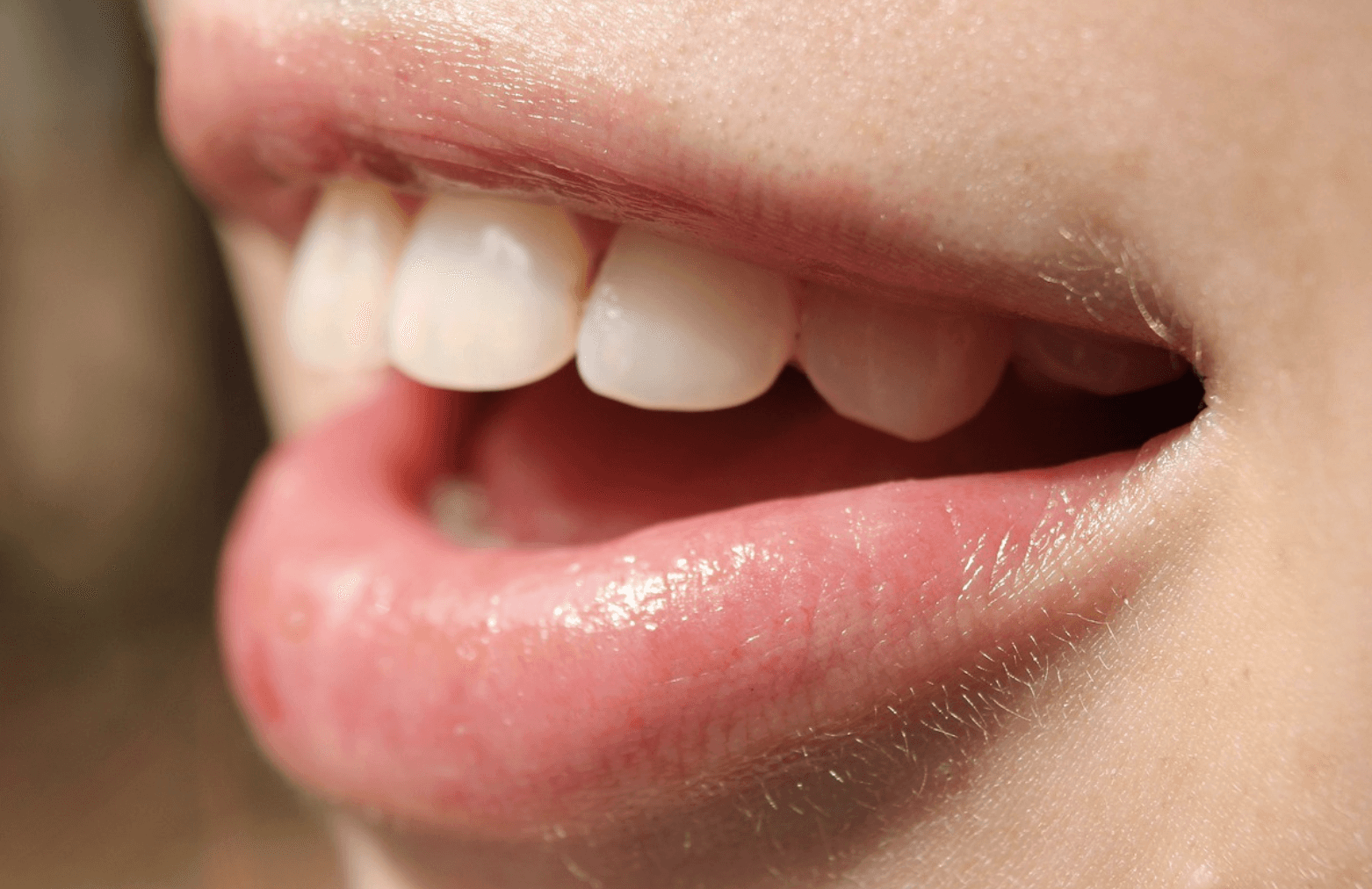
Saliva is a clear, watery liquid secreted by several salivary glands in your mouth (the parotid, submandibular, sublingual, and hundreds of minor glands). In a healthy adult, these glands pump out roughly 0.5 to 1.5 liters of saliva per day, slowing down at night. In other words, you swallow about a quart of saliva daily without even noticing! This fluid is about 99% water, and the remaining 1% is jam-packed with electrolytes, proteins, enzymes, and other molecules. Researchers have identified over 1,000 different proteins in human saliva (though only about 10% of them are present in high amounts).
Some of the key components found in saliva include :
Water (≈99%) – The solvent for everything else, keeping your mouth moist.
Electrolytes – Sodium, potassium, calcium, magnesium, bicarbonate, phosphates, and more, which help maintain the optimal pH and ionic environment.
Digestive Enzymes – Notably salivary amylase (ptyalin), which begins breaking down starches into sugars, and lingual lipase, which starts fat digestion (especially important for infants).
Mucin (mucus) – Glycoproteins that give saliva its slippery, viscous quality, helping to lubricate food for easy swallowing.
Antimicrobial Agents – Saliva is like a natural mouthwash. It contains compounds like lysozyme, lactoferrin, peroxidase, and immunoglobulin A (IgA) that kill or inhibit bacteria and other microbes.
Other Proteins & Molecules – e.g. Proline-rich proteins (protect teeth enamel), epidermal growth factor (EGF) which aids tissue repair, haptocorrin (binds vitamin B12 to protect it from stomach acid), and even opiorphin, a natural pain-killer found in saliva.
How Saliva Helps Kick-Start Digestion
Moistening and Lubrication for Chewing and Swallowing
One of saliva’s most immediate functions is mechanical: it wets and lubricates your food. As you chew, saliva mixes with the food to form a soft bolus (a small, smooth ball of food). This lubrication is essential so that you don’t choke – a dry cracker would be almost impossible to swallow without saliva. The mucous components of saliva coat the food and your mouth, preventing scratches and easing the passage of food down the throat. In fact, people with extremely dry mouth (xerostomia) often struggle with swallowing and speaking because of the lack of this natural lubrication. By keeping everything slick, saliva ensures the journey of food from mouth to oesophagus is safe and smooth.
Enzymatic Digestion Begins in the Mouth
Importantly, saliva doesn’t just prepare food physically – it also begins chemical digestion right in your mouth. Your saliva is essentially the first digestive “juice” your food encounters. Here are the key digestive roles saliva plays:
Carbohydrate Breakdown: The saliva from your parotid and submandibular glands is rich in α-amylase, an enzyme that specifically targets starch (complex carbohydrates). As soon as you start chewing a piece of bread or rice, salivary amylase gets to work, slicing starch molecules into shorter sugars like maltose and dextrin. About 30%–40% of starch digestion can occur before the food even leaves your mouth and stomach. In fact, a recent study found that salivary amylase can continue working for a while in the stomach (before stomach acid inactivates it), breaking down up to 80% of the starch in a piece of bread within the first 30 minutes in the stomach. This is a remarkable finding that underscores how potent and important saliva is for digesting carbs – far more than most people realise! By the time that bread reaches your small intestine, saliva has already given the gut a head-start in sugar release.
Fat Digestion (Especially in Infants): Saliva also contains lingual lipase, an enzyme that targets fats. Lingual lipase is secreted from glands under the tongue and, interestingly, it works best in an acidic environment (around pH 4). That means it actually becomes active in the stomach. In adults, most fat digestion is handled later by pancreatic lipase, but in infants, lingual lipase plays a big role, helping babies digest the fat in breast milk before their pancreas is fully up to speed. It’s another way saliva “preps” the food for what’s to come.
Making Food Tasty: Ever notice that when your mouth is bone dry, food tastes like cardboard? That’s because saliva is essential for taste. It dissolves the flavour compounds in food and distributes them to your taste buds. Without saliva as a solvent, the taste receptors in your tongue can’t detect the flavours. Saliva also keeps the taste buds healthy and functioning; people with chronic dry mouth often report a diminished sense of taste (dysgeusia).
Swallowing and Oesophageal Protection: By moistening and partially digesting food, saliva ensures that when you swallow, the food is in the right condition to glide down your oesophagus. The formation of a cohesive bolus means each swallow is smooth and coordinated. Saliva also contains bicarbonate and phosphate buffers that neutralise acids. This is important when swallowing acidic foods or beverages – saliva raises the pH, protecting your throat and tooth enamel from excessive acid exposure. The bicarbonate in saliva even provides a buffering effect in the oesophagus, helping prevent heartburn by neutralising refluxed acid to a degree.
In summary, saliva is the unsung hero that initiates digestion: it chops up complex food molecules early, making the later stages of digestion more efficient, and it physically enables us to chew, taste, and swallow our food comfortably.
Protective and “Healing” Functions in the Mouth
Beyond digestion, saliva performs protective maintenance in your mouth which indirectly benefits your digestive system and overall health:
Natural Antiseptic: As mentioned, saliva is laced with antimicrobial agents. Enzymes like lysozyme can break down bacterial cell walls, lactoferrin binds iron to starve bacteria, and IgA antibodies neutralise pathogens. By keeping oral microbes in check, saliva prevents oral infections and tooth decay. Fewer infections in the mouth mean fewer problems swallowing and digesting (severe gum disease or thrush, for instance, can make eating very painful). Saliva literally flushes away bacteria and food debris whenever you swallow, acting like a constant rinsing system.
Teeth and Gum Protection: Saliva is saturated with calcium and phosphate ions, which help remineralise tooth enamel. It forms a thin protective film on teeth (the salivary pellicle) where minerals like calcium bind to strengthen the tooth surface . This pellicle also alters how bacteria stick to your teeth. While it can unfortunately be a base for some plaque, overall it’s protective against immediate acid attacks. Saliva’s buffering capacity (thanks to bicarbonate) helps neutralise acids after eating, which is crucial because acids from foods or produced by bacteria can erode enamel. By keeping the mouth’s pH around ~6.5–7.5, saliva greatly reduces the risk of cavities. Think of saliva as nature’s cavity-fighting mouthwash that’s constantly on duty.
Tissue Repair and Wound Healing: Saliva carries growth factors like EGF (epidermal growth factor) and others that promote healing. If you’ve ever burned your tongue or cheek, you might have noticed it heals faster than, say, a burn on your skin. That’s partly thanks to saliva. Saliva’s components can stimulate cell regeneration – it’s no coincidence that many animals lick their wounds instinctively. Human saliva can aid in repairing mouth ulcers or minor injuries in the oral mucosa. This healing property keeps the mouth’s lining intact, which is important for eating comfortably and for preventing infections from getting in.
Maintaining Moisture and Comfort: By constantly moistening the oral tissues, saliva prevents the painful cracking of lips or tongue that can happen with dryness. It also helps your speech (a dry mouth can make talking difficult). While this is not directly “digestion,” it’s all part of the same system ensuring your mouth – the gateway to your digestive tract – stays in working order.
When saliva flow is reduced (due to dehydration, certain medications, or disorders like Sjögren’s syndrome), people experience dry mouth and the consequences underscore how important saliva is. Insufficient saliva leads to difficulty chewing and swallowing, rampant tooth decay, gum disease, oral infections, and loss of taste. Food might not break down properly, causing indigestion down the line.
Salivary Supplements and Sublingual Drugs: Why Absorbing via the Mouth Can Be Beneficial
You might have seen specialised vitamins, melts, or sprays that you take by dissolving in your mouth (under the tongue or against the cheek) instead of swallowing – these are sometimes termed sublingual or buccal supplements. The idea is to use the rich blood vessel network in the mouth to absorb nutrients or drugs directly into the bloodstream. This can offer two main benefits:
1. Faster and More Complete Absorption (Bypassing the Gut): Normally, when you swallow a pill, the active ingredient has to survive the harsh journey through the stomach (acid, enzymes) and then get absorbed in the intestine. It also passes through the liver first (via the portal vein) where a chunk can be metabolically broken down before reaching the rest of your body – this is called the first-pass effect. By contrast, anything absorbed through the capillaries under the tongue skips the digestive tract and liver initially. It enters the bloodstream directly, in a faster route to circulation. This is why, for example, doctors give nitroglycerin tablets under the tongue during an angina heart attack – the drug hits the bloodstream within minutes and isn’t diminished by the liver on first pass. For certain nutrients and medications, sublingual administration can thus yield a higher bioavailability (more of the compound actually gets into your system) and a quicker onset of effect.
2. Better Absorption for Those With Digestive Issues: Some people have problems absorbing nutrients through their gut – whether due to celiac disease, inflammatory bowel disease, low stomach acid, or other issues. For them, taking a supplement the standard way (swallowing) might not correct a deficiency effectively. Delivering the nutrient through the mouth’s mucous membranes can help bypass these obstacles. Scientific studies have demonstrated this benefit. For instance, a clinical trial found that a vitamin D₃ oral spray (absorbed through the mouth) led to significantly higher vitamin D levels in the blood than traditional capsules – nearly twice as effective in healthy adults, and even more so in patients with malabsorption syndromes. The buccal spray raised serum 25(OH)D concentrations much more efficiently over 30 days than an equivalent pill, showing that the nutrient was getting into circulation better.
Another striking example is Vitamin B₁₂. Vitamin B₁₂ is typically absorbed in the small intestine with the help of intrinsic factor, and some people (e.g. pernicious anaemia patients or older adults) struggle to absorb it well, often requiring injections. However, a large 2019 study with over 4,000 patients found that sublingual B₁₂ tablets were just as effective – if not more – than intramuscular B₁₂ injections at correcting B₁₂ deficiency . Patients who took B₁₂ under the tongue had a slightly higher increase in blood B₁₂ levels on average compared to those who got shots, and the study concluded that sublingual supplementation “should be the first line option” for B₁₂ deficiency treatment.
Other examples of supplements and drugs often given via the salivary (sublingual/buccal) route include:
Melatonin (for sleep) and certain calming remedies – to speed up effect onset.
Hormones like progesterone or testosterone (in troche form) – to improve absorption and avoid liver metabolism.
CBD or THC strips – for quicker therapeutic effects without smoking.
Allergy desensitisation drops (sublingual immunotherapy) – using the oral tissues to safely introduce allergens to the immune system.
In all these cases, the principle is the same: the rich blood supply in the mouth can uptake the substances directly, and only salivary enzymes (like amylase) pose any risk of degradation, which is minimal compared to stomach acid and intestinal enzymes. By avoiding the gut and liver initially, the compound remains more intact and available. Scientific reviews note that this route often results in a higher proportion of the dose reaching circulation (higher bioavailability) and a faster onset of action than standard oral pills .
Of course, not every nutrient or drug is suitable for sublingual delivery – the molecule needs to be able to diffuse through the mucous membrane. But for those that are, “salivary” supplement formulations can be a clever way to enhance effectiveness. Always follow medical advice and instructions for use, since some substances may irritate the mouth or have specific dosing considerations when taken this way.
Reference List:
de Almeida, P.D.V. et al. (2008) ‘Saliva composition and functions: A comprehensive review’, Journal of Contemporary Dental Practice, 9(3), pp. 72–80. Available at: https://pubmed.ncbi.nlm.nih.gov/18335122/
Dawes, C. et al. (2015) ‘The functions of human saliva: A review sponsored by the World Workshop on Oral Medicine VI’, Archives of Oral Biology, 60(6), pp. 863–874. Available at: https://pubmed.ncbi.nlm.nih.gov/25841068/
Humphrey, S.P. and Williamson, R.T. (2001) ‘A review of saliva: Normal composition, flow, and function’, Journal of Prosthetic Dentistry, 85(2), pp. 162–169. Available at: https://pubmed.ncbi.nlm.nih.gov/11208206/
Ruhl, S. (2012) ‘The scientific exploration of saliva in the post-proteomic era: From database back to basic function’, Expert Review of Proteomics, 9(1), pp. 85–96. Available at: https://pubmed.ncbi.nlm.nih.gov/22292826/
Pedersen, A.M.L. and Belstrøm, D. (2019) ‘The role of natural salivary defences in maintaining a healthy oral microbiota’, Journal of Dentistry, 80(Suppl. 1), pp. S3–S12. Available at: https://pubmed.ncbi.nlm.nih.gov/30696553/
Mandel, A.L. et al. (2010) ‘Individual differences in AMY1 gene copy number, salivary α-amylase levels, and the perception of oral starch’, PLoS ONE, 5(10), e13352. Available at: https://journals.plos.org/plosone/article?id=10.1371/journal.pone.0013352
Peyrot des Gachons, C. and Breslin, P.A.S. (2016) ‘Salivary amylase: Digestion and metabolic syndrome’, Current Diabetes Reports, 16(10), p. 102. Available at: https://pubmed.ncbi.nlm.nih.gov/27640169/
Satia, M.C. et al. (2015) ‘A randomized two way cross over study for comparison of absorption of vitamin D₃ buccal spray and soft gelatin capsule formulation in healthy subjects and in patients with intestinal malabsorption’, Nutrition Journal, 14, p. 114. Available at: https://nutritionj.biomedcentral.com/articles/10.1186/s12937-015-0105-1
Grammatikopoulou, M.G. et al. (2020) ‘Efficacy of Vitamin D₃ buccal spray supplementation compared to other delivery methods: A systematic review’, Nutrients, 12(3), p. 691. Available at: https://www.mdpi.com/2072-6643/12/3/691
Bensky, M.J. et al. (2019) ‘Comparison of sublingual vs. intramuscular administration of vitamin B12 for the treatment of patients with vitamin B12 deficiency’, Drug Delivery and Translational Research, 9(3), pp. 625–630. Available at: https://pubmed.ncbi.nlm.nih.gov/30632091/
Sanz-Cuesta, T. et al. (2020) ‘Oral versus intramuscular administration of vitamin B12 for the treatment of patients with vitamin B12 deficiency: A pragmatic, randomised, non-inferiority clinical trial (OB12)’, BMJ Open, 10(8), e033687. Available at: https://bmjopen.bmj.com/content/10/8/e033687
Favrat, B. et al. (2011) ‘Oral vitamin B12 for patients suspected of subtle cobalamin deficiency: A multicentre pragmatic randomised controlled trial’, BMC Family Practice, 12, p. 2. Available at: https://bmcprimcare.biomedcentral.com/articles/10.1186/1471-2296-12-2
Koksal, A.O. et al. (2022) ‘Sublingual spray treatment of vitamin B12 deficiency in children’, Electronic Journal of General Medicine, 19(4), em382. Available at: https://www.ejgm.co.uk/article/sublingual-spray-treatment-of-vitamin-b12-deficiency-in-children-12047
Blogs and Insights