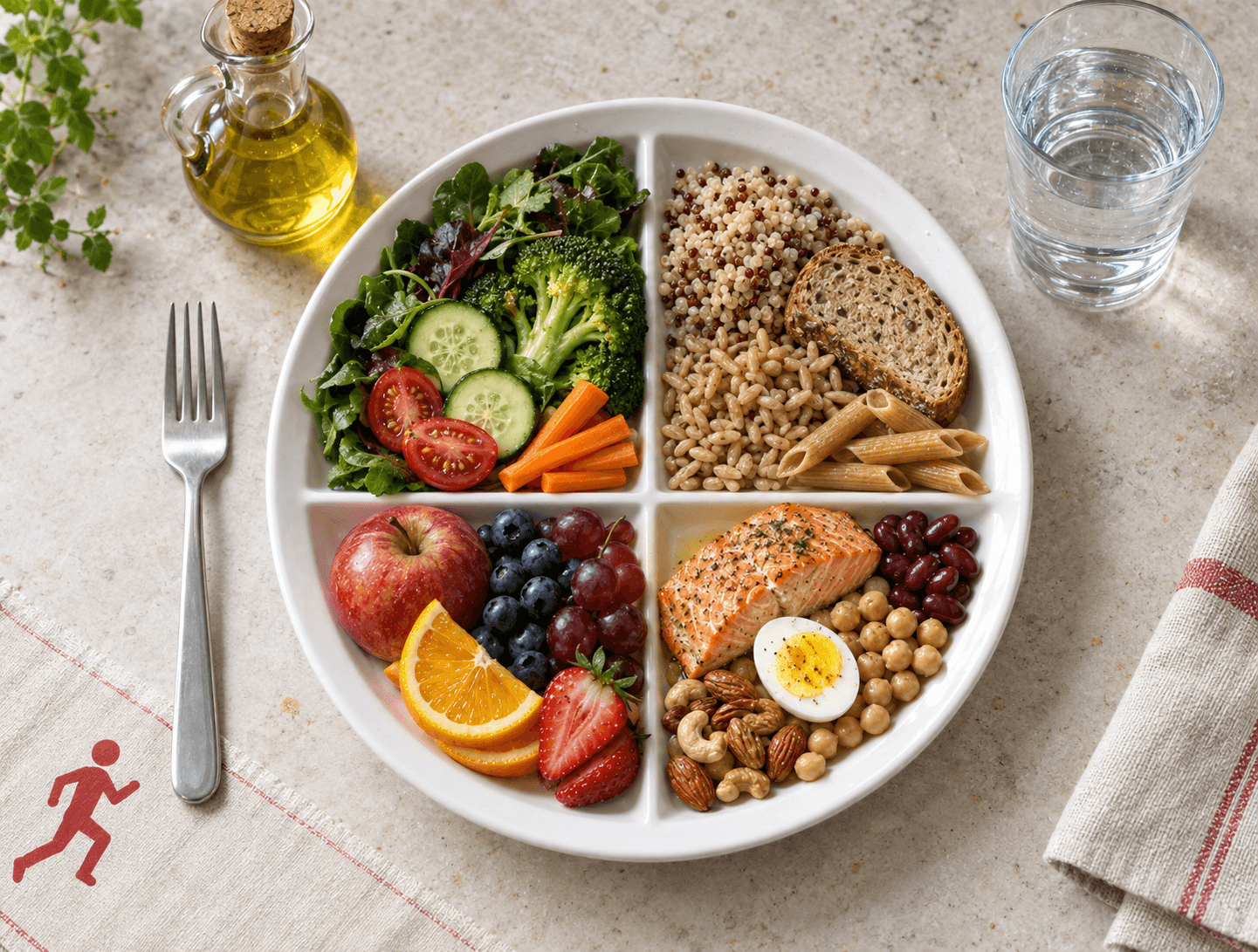
🥦 Nutrition & Nutrients
Cholesterol
Clinical recommendations
March 4, 2026
Share
Diet plays a central role in controlling blood lipids – the fats that circulate in our bloodstream. These include LDL cholesterol (“bad” cholesterol), HDL cholesterol (“good” cholesterol), triglycerides, and apolipoprotein B (apoB).
These markers matter because they help determine cardiovascular risk. High LDL and apoB levels mean there are more cholesterol-carrying particles circulating in the blood, which can accumulate in the walls of arteries and contribute to plaque formation. Elevated triglycerides and low HDL levels are also associated with an increased risk of heart disease.
What we eat strongly influences these markers. In particular, three dietary components have powerful but very different effects on blood lipids:
saturated fatty acids
unsaturated fatty acids (monounsaturated and polyunsaturated)
refined sugars, particularly fructose and glucose
Understanding how these nutrients affect lipid metabolism can help explain why certain dietary patterns support heart health while others increase cardiovascular risk.
Saturated Fat and Cholesterol: Why It Raises LDL
Saturated fats are commonly found in foods such as butter, fatty cuts of meat, cheese, and palm oil. For decades, research has consistently shown that diets high in saturated fat raise LDL cholesterol levels.
But why does this happen?
The answer lies in how the liver manages cholesterol. Normally, the liver removes LDL particles from the bloodstream using LDL receptors. These receptors act like docking stations that pull cholesterol-carrying particles out of circulation.
When saturated fat intake is high, the activity of these LDL receptors decreases. As a result, the liver removes less LDL from the blood, allowing cholesterol levels to rise.
Certain saturated fats appear to have a particularly strong effect. Lauric acid (C12:0), myristic acid (C14:0), and palmitic acid (C16:0) have been shown to increase LDL cholesterol significantly, whereas stearic acid (C18:0), found in foods like cocoa and some meats, has a more neutral effect.
The clinical impact of this mechanism has been demonstrated in controlled feeding studies. In one randomised trial, doubling saturated fat intake from around 9% to 18% of total calories increased LDL cholesterol by about 16% and raised apoB levels by approximately 9% (Chiu et al., 2017). This indicates not only higher cholesterol levels but also a greater number of cholesterol-carrying particles circulating in the bloodstream.
Because each LDL particle contains one molecule of apoB, an increase in apoB reflects an increase in the number of potentially atherogenic particles. In other words, more particles are available to penetrate the arterial wall and contribute to plaque formation.
Interestingly, saturated fat often increases HDL cholesterol slightly as well. This has sometimes been used to argue that saturated fat may not be harmful. However, the rise in LDL and apoB generally outweighs any benefit from higher HDL levels. For this reason, most clinical guidelines recommend limiting saturated fat intake, particularly in individuals with elevated cholesterol or cardiovascular risk.
Unsaturated Fats: The Heart-Protective Alternative
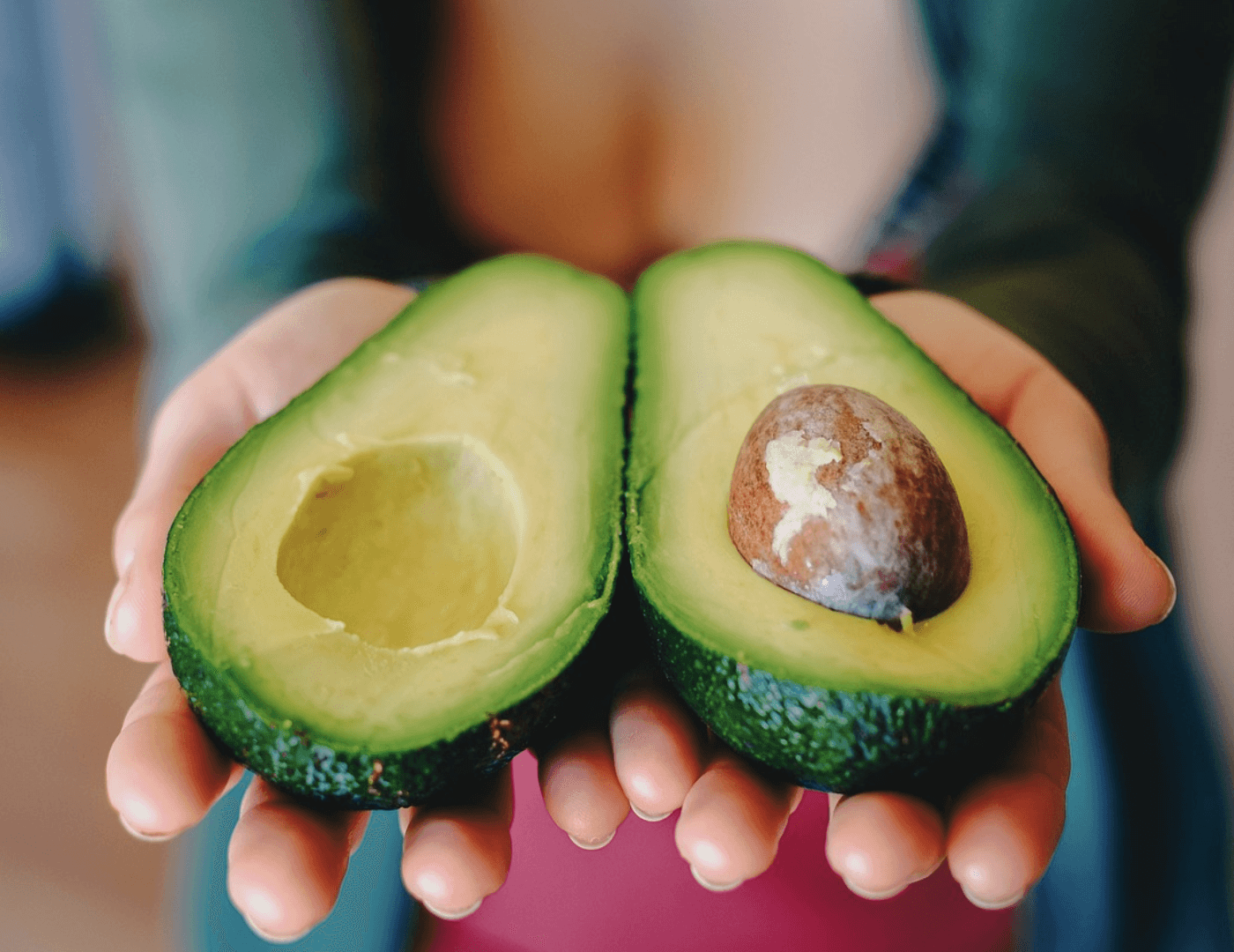
Not all fats behave the same way in the body. Unsaturated fats – found in foods such as olive oil, nuts, seeds, avocados, and fatty fish – tend to have the opposite effect of saturated fats.
When saturated fats are replaced with unsaturated fats, LDL cholesterol typically decreases. This effect occurs because unsaturated fats enhance the activity of LDL receptors in the liver, allowing cholesterol to be cleared from the bloodstream more efficiently.
There are two main types of unsaturated fats:
Monounsaturated fats (MUFAs) – found in olive oil, avocados, and almonds
Polyunsaturated fats (PUFAs) – found in vegetable oils, walnuts, flaxseed, and fatty fish
Both types can improve cholesterol levels when they replace saturated fats in the diet.
In controlled studies, replacing saturated fat with monounsaturated fat from olive oil or polyunsaturated fat from sunflower oil reduced LDL cholesterol by around 13–18% (Kris-Etherton et al., 1999; Mensink et al., 2003). This improvement occurs without the increase in LDL particles seen with saturated fat intake.
Unsaturated fats can also influence triglycerides. Diets that contain more healthy fats and fewer refined carbohydrates often lead to lower triglyceride levels. In addition, omega-3 polyunsaturated fatty acids – particularly EPA and DHA from fatty fish – have a well-established triglyceride-lowering effect.
Omega-3 fats reduce the liver’s production of triglycerides and promote their clearance from the bloodstream. At therapeutic doses, they can lower triglyceride levels by as much as 30%.
Overall, replacing saturated fats with unsaturated fats tends to produce a healthier lipid profile: lower LDL, lower apoB, and often lower triglycerides.
Sugar and Blood Lipids: The Hidden Driver of Triglycerides
While dietary fats receive much of the attention in discussions about cholesterol, refined sugars may have an even stronger effect on triglyceride levels.
Unlike dietary fat, sugar does not directly contain fat molecules. However, when large amounts of sugar are consumed, the liver converts excess glucose and fructose into fatty acids through a process known as de novo lipogenesis.
These newly produced fats are packaged into very-low-density lipoproteins (VLDL), which transport triglycerides through the bloodstream.
Fructose appears to be particularly potent in driving this process. Unlike glucose, fructose bypasses key regulatory steps in metabolism and is rapidly converted into substrates used for fat synthesis in the liver.
Clinical studies demonstrate the metabolic consequences of this process. In a well-known trial, overweight adults who consumed fructose-sweetened beverages for 10 weeks developed significantly higher triglyceride levels, increased visceral fat, and higher concentrations of small dense LDL particles compared with individuals consuming glucose-sweetened beverages.
This type of lipid pattern – high triglycerides, low HDL, and increased small LDL particles – is often referred to as atherogenic dyslipidemia, a hallmark of metabolic syndrome.
High sugar intake can therefore influence cardiovascular risk through several pathways:
increased triglyceride production
reduced HDL cholesterol
increased formation of small dense LDL particles
increased apoB-containing lipoproteins
For this reason, many public health guidelines recommend limiting added sugars, particularly from sugary beverages and highly processed foods.
Practical Dietary Strategies for Improving Blood Lipids
Understanding these mechanisms provides a clear roadmap for improving lipid profiles through diet.
Several practical strategies consistently show benefits:
Reduce saturated fat intake
Limiting foods such as butter, fatty red meat, and high-fat dairy can help lower LDL cholesterol and apoB levels. Replacing these foods with healthier alternatives is key.
Increase unsaturated fats
Using olive oil instead of butter, eating nuts and seeds, and including fatty fish in the diet provides beneficial monounsaturated and polyunsaturated fats that support healthy lipid metabolism.
Limit refined sugars
Reducing consumption of sugary drinks, sweets, and refined carbohydrates can significantly lower triglycerides and improve HDL levels.
Focus on whole foods
Dietary patterns such as the Mediterranean diet naturally incorporate these principles by emphasizing vegetables, legumes, whole grains, olive oil, fish, and nuts.
Conclusion
Different dietary components influence blood lipids in distinct ways.
Saturated fats tend to raise LDL cholesterol and apoB by reducing LDL clearance from the bloodstream. Unsaturated fats generally have the opposite effect, lowering LDL levels and improving lipid metabolism. Meanwhile, excessive intake of refined sugars – particularly fructose – promotes triglyceride production and contributes to a more atherogenic lipid profile.
By improving fat quality and reducing added sugars, it is possible to significantly improve LDL, triglycerides, HDL, and apoB levels. These dietary changes form the foundation of many evidence-based recommendations for reducing cardiovascular risk.
If you’d like guidance applying these ideas to your own body and lifestyle, book a consultation and we’ll work together on a realistic plan for your health.
Reference List:
Chiu, S. et al. (2017) ‘Effects of a very high saturated fat diet on LDL particles in adults with atherogenic dyslipidemia: a randomised controlled trial’, PLOS ONE, 12(2), e0170664. Available at: https://pubmed.ncbi.nlm.nih.gov/28166253/
Froyen, E. et al. (2009) ‘The effects of fat consumption on low-density lipoprotein particle size and cardiovascular disease risk’, Lipids in Health and Disease, 8, p. 42. Available at: https://pmc.ncbi.nlm.nih.gov/articles/PMC2673878/
Jenkins, D.J.A. et al. (2003) ‘Effects of a dietary portfolio of cholesterol-lowering foods vs lovastatin on serum lipids and C-reactive protein’, JAMA, 290(4), pp. 502–510. Available at: https://www.sciencedirect.com/science/article/pii/
Kenneth, R. (2024) ‘The effect of diet on cardiovascular disease and lipid metabolism’, StatPearls. Available at: https://www.ncbi.nlm.nih.gov/books/NBK570127
Kris-Etherton, P.M. et al. (1999) ‘High-monounsaturated fatty acid diets lower both plasma cholesterol and triacylglycerol concentrations’, American Journal of Clinical Nutrition, 70(6), pp. 1009–1015. Available at: https://pubmed.ncbi.nlm.nih.gov/10584045/
Mensink, R.P. et al. (2003) ‘Effects of dietary fatty acids and carbohydrates on the ratio of serum total to HDL cholesterol and on serum lipids and apolipoproteins: a meta-analysis of 60 controlled trials’, American Journal of Clinical Nutrition, 77(5), pp. 1146–1155. Available at: https://pubmed.ncbi.nlm.nih.gov/12716665/
Pallazola, V.A. et al. (2019) ‘A clinician’s guide to healthy eating for cardiovascular disease prevention’, Mayo Clinic Proceedings, 94(12), pp. 2517–2532. Available at: https://www.sciencedirect.com/science/article/pii/S2542454819300724
Stanhope, K.L. et al. (2009) ‘Consuming fructose-sweetened, not glucose-sweetened, beverages increases visceral adiposity and lipids and decreases insulin sensitivity in overweight/obese humans’, Journal of Clinical Investigation, 119(5), pp. 1322–1334. Available at: https://pubmed.ncbi.nlm.nih.gov/19381015/
Blogs and Insights